

What Does Bonded Cleaning Mean for Your Business?
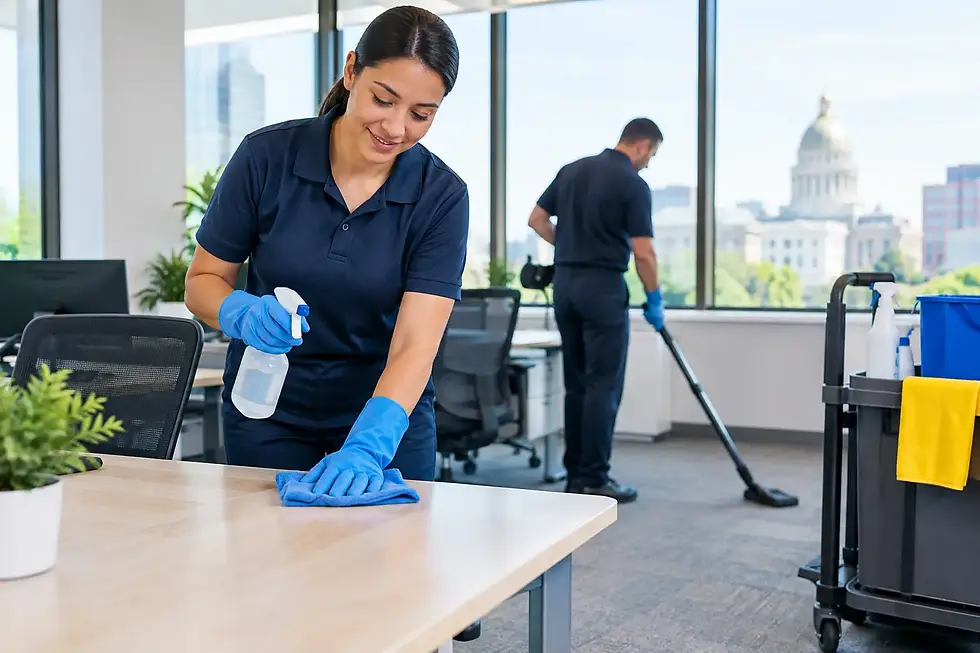
A cleaning crew may work after your employees leave, move through private offices, handle keys or access codes, and clean around valuable equipment. That level of access calls for more than a good first impression. If you have asked, what does bonded cleaning mean, the answer is tied directly to accountability when a cleaner is trusted inside your facility.
Bonded cleaning does not describe a particular mop, product, or cleaning method. It means the cleaning company carries a surety bond designed to provide financial protection in certain situations, most commonly if an employee commits theft or another dishonest act at a client site. For Albany businesses, property managers, and facility teams, it is one more sign that a provider takes its responsibility seriously.
What Does Bonded Cleaning Mean?
A bonded cleaning company has obtained a bond through a surety company. The bond creates a financial guarantee connected to the cleaning provider's conduct and the specific terms of the bond. If a covered event occurs, such as employee theft, the client may be able to file a claim and seek reimbursement up to the bond amount.
The exact protection depends on the type of bond, its limit, and the circumstances of the loss. Many commercial cleaning companies carry a janitorial service bond, also called an employee dishonesty bond. This coverage is designed for the risk that concerns many clients most: a worker who has routine access to property, supplies, records, or restricted areas committing theft.
Being bonded is not a promise that nothing will ever go wrong. It is a meaningful layer of financial accountability if a covered loss does occur. It also signals that the company has taken steps to operate professionally rather than simply sending workers to a site without formal protections in place.
Bonded, Insured, and Licensed Are Different Things
These terms are often grouped together, but they do different jobs. A reputable commercial cleaner may carry all three, and your service agreement should make clear what protections apply.
A bond generally addresses specific losses caused by dishonest acts, subject to its terms. Commercial liability insurance generally addresses accidental property damage or bodily injury. For example, liability coverage may respond if a cleaner damages a glass door, causes a slip-and-fall hazard, or accidentally harms client property while performing services. Workers' compensation coverage protects employees who are injured on the job and can help limit a client's exposure to work-related injury claims.
Licensing is separate. Depending on the location and service, a business may need state, local, or trade-specific registrations. Licensing shows that a company has met applicable requirements to operate. It does not replace insurance or a bond.
A simple way to view the difference is this: bonding focuses on covered dishonesty, insurance focuses on covered accidents and liability, and licensing concerns permission to operate. A cleaning provider that is bonded and insured gives clients stronger protection than one relying on only a verbal assurance of trustworthiness.
How a Janitorial Bond Typically Works
The details vary, but the general process is straightforward. A cleaning company purchases a bond with a stated coverage limit. The surety reviews the company before issuing the bond, although requirements vary by bond type and provider.
If a client believes a covered dishonest act has occurred, the client reports the issue, preserves evidence, and follows the claims process set by the surety and bond terms. The incident is investigated. If the claim is valid, the surety may compensate the client up to the applicable limit.
There is a distinction that business owners should understand: a surety bond is not exactly the same as an insurance policy. With many bonds, the cleaning company may ultimately be responsible for repaying the surety after a paid claim. That arrangement creates a strong incentive for the contractor to screen employees, maintain clear procedures, and address problems promptly.
Claims are never automatic. A missing item does not necessarily prove theft, and a bond will have exclusions, deadlines, evidence requirements, and dollar limits. Review the terms instead of assuming every type of loss is covered.
What Bonded Cleaning May Protect Against
For a commercial client, the value of bonding is most visible in facilities where cleaners have independent access. This can include offices, medical and professional spaces, schools, retail locations, apartment common areas, warehouses, and post-construction sites.
A janitorial bond may help address covered losses involving theft of cash, electronics, tools, inventory, or other property by an employee of the cleaning company. It may also provide peace of mind when cleaners work in areas containing client files, key systems, storage rooms, or expensive equipment.
Still, a bond has limits. It usually will not function as broad protection for routine cleaning errors, poor results, wear and tear, or accidental damage. Those concerns should be addressed through the scope of work, quality inspections, customer service standards, and the company's liability coverage. If a provider offers floor care, disinfecting, window cleaning, deep cleaning, or post-construction cleanup, ask how it manages the specific risks associated with those services.
How to Verify That a Cleaning Company Is Bonded
Do not feel uncomfortable asking for proof. A professional cleaning company should expect commercial clients to verify credentials before handing over keys or approving access to a building.
Before service begins, ask for the following:
A current certificate or written proof showing the bond type and coverage amount
Confirmation of the surety company that issued the bond
A current certificate of general liability insurance and workers' compensation coverage
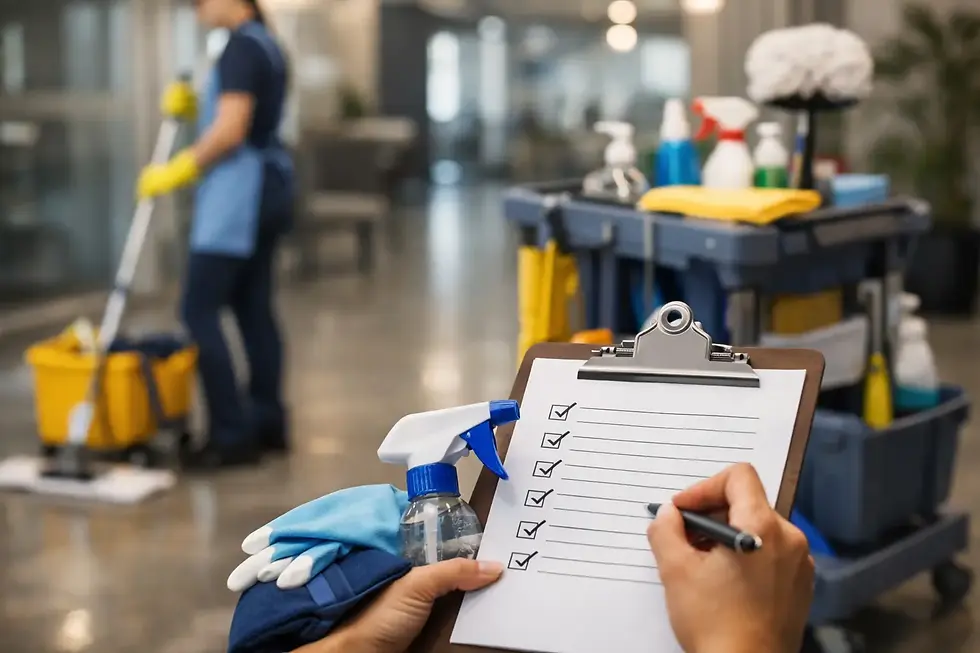
Clear information about the company's employee screening, supervision, and access-control procedures
You can also ask whether the bond applies to all employees assigned to your location, including temporary or replacement staff. Confirm how the company handles keys, alarm codes, key cards, restricted rooms, and reports of missing property. These operational details often matter just as much as the bond itself.
For multi-tenant properties or larger facilities, keep copies of the documents on file and review them at renewal. Coverage can expire, limits can change, and staffing arrangements can shift over time.
When Bonding Matters Most
Bonding is a practical consideration for nearly every commercial cleaning relationship, but it becomes especially valuable when service is performed after hours or without a client representative present. It also matters when a provider cleans executive offices, financial areas, medical offices, data-sensitive spaces, retail stockrooms, or buildings with high-value equipment.
A small office may have a lower-risk environment than a large warehouse, but both benefit from a provider with formal safeguards. The right coverage amount depends on your facility, the value of accessible property, the number of service visits, and the level of access required. There is no single bond limit that fits every business.
Choose More Than a Bonded Cleaning Company
Bonding should be part of your decision, not the entire decision. A company can carry a bond and still fall short on communication, consistency, training, or quality control. Look for a commercial cleaning partner with trained staff, documented service expectations, responsive management, flexible scheduling, and the ability to scale as your needs change.
Ask how quality is checked after a recurring janitorial visit and who responds if an issue is missed. Discuss the cleaning schedule, supply responsibilities, security protocols, and the process for adding specialized work such as carpet cleaning, strip-and-wax floor service, disinfecting, or a one-time deep clean. A detailed scope prevents misunderstandings and makes results easier to measure.
At Unique Shine, bonded and insured operations are part of providing dependable commercial cleaning service, not a substitute for careful work. Businesses deserve both protection and a crew that shows up prepared to keep the facility clean, presentable, and ready for the next day.
The best cleaning relationship starts with trust that can be verified. Before giving a contractor access to your workplace, ask the direct questions, review the documentation, and choose a team that treats your property with the same care you do.

Comments