
How to Maintain Commercial Carpets Properly
A commercial carpet can look worn out long before it has reached the end of its useful life. The difference is usually maintenance. Knowing how to maintain commercial carpets helps Albany-area businesses protect their flooring investment, keep entrances and workspaces presentable, and avoid the disruption and expense of early replacement.
Carpet care is not a once-a-year project. It is a planned routine that combines daily attention with professional deep cleaning at the right intervals. The right schedule depends on foot traffic, weather, building use, and the type of carpet installed.
Start With the Areas That Take the Most Traffic
Not every section of carpet needs the same level of attention. Entryways, corridors, reception areas, elevator landings, break rooms, and paths between workstations collect the most soil. In Albany, snow, road salt, sand, and wet weather can make these areas especially difficult during the colder months.
Walk your facility regularly and look for traffic lanes, darkening near entrances, crushed pile, or areas that feel gritty underfoot. These are signs that dry soil is settling into the carpet fibers. If ignored, that soil acts like sandpaper as people walk over it, wearing down the fibers and dulling the carpet's appearance.
A practical maintenance plan gives high-traffic zones more frequent care than private offices, conference rooms, or lightly used spaces. This focused approach controls costs while addressing the places visitors and employees notice first.
Vacuum Frequently and Thoroughly
Vacuuming is the foundation of commercial carpet maintenance. Most carpet soil is dry particulate matter, and removing it before it gets ground into the fibers is one of the most effective ways to extend carpet life.
High-traffic areas may need vacuuming every day, especially during winter or rainy periods. Moderate-traffic office areas often need service two or three times a week, while low-traffic spaces may require weekly vacuuming. The exact frequency should change with the season and the activity in your building.
Technique matters as much as frequency. A vacuum needs slow, overlapping passes to pull embedded debris from the pile. Fast passes may make the carpet look freshly vacuumed, but they often leave behind the grit that causes long-term wear. Bags, filters, brushes, and belts also need regular inspection. A poorly maintained vacuum will not deliver consistent results.
For facilities with broad carpeted areas, use commercial-grade equipment with proper filtration and a brush height suited to the carpet type. If the brush sits too low, it can damage fibers. If it sits too high, it will not lift soil effectively.
Control Dirt Before It Reaches the Carpet
The most cost-effective way to clean carpet is to stop contaminants at the door. Quality entrance matting captures moisture, sand, salt, and debris before foot traffic carries it farther into the building.
Use a combination of outdoor scraper mats, indoor wiper mats, and longer runner mats in busy entry zones. The matting should be large enough for visitors to take several steps before reaching the carpet. A small mat at the doorway may look adequate, but it cannot collect enough soil to make a meaningful difference.
Mats need cleaning too. If they are saturated with dirt or moisture, they become a source of contamination rather than a barrier. During winter weather, increase mat service and inspect surrounding carpet daily. Prompt attention to salt residue and tracked-in slush can prevent staining, fiber damage, and slip concerns.
Treat Spills Immediately
A spill does not have to become a permanent stain. The response in the first few minutes often determines the outcome. Keep basic spot-cleaning supplies available to staff or arrange for a responsive janitorial team that can address accidents quickly.
When a spill occurs, blot it with a clean white cloth rather than rubbing it. Rubbing can spread the spill and push it deeper into the carpet. Work from the outer edge toward the center, using a cleaning product appropriate for the carpet and the material spilled.
Avoid over-wetting the area or using a product that leaves sticky residue. Residue attracts more dirt, causing the spot to reappear as a dark patch after the carpet dries. For coffee, food, ink, grease, or unknown spills, document what happened and use a professional cleaner when needed. Some stains require specialized chemistry and extraction methods, and repeated do-it-yourself treatments can set the stain permanently.
Schedule Interim Cleaning Between Deep Cleans
Vacuuming and spot removal manage everyday soil, but they do not remove everything that settles below the surface. Interim cleaning helps maintain appearance between full restorative services. Depending on the carpet and facility, this may involve low-moisture encapsulation, bonnet cleaning, or other methods designed for quicker drying.
Low-moisture methods can be a strong choice for offices, medical spaces, retail settings, and other facilities that need carpets ready for use quickly. They can improve appearance and remove surface-to-moderate soil without the extended drying time associated with some extraction methods.
However, interim cleaning is not a substitute for periodic hot water extraction. It works best as part of a larger program. If a carpet has heavy buildup, visible traffic lanes, odors, or sticky residue from prior cleaning, a restorative extraction service may be the better solution.
Plan Professional Deep Cleaning Around Your Facility's Needs
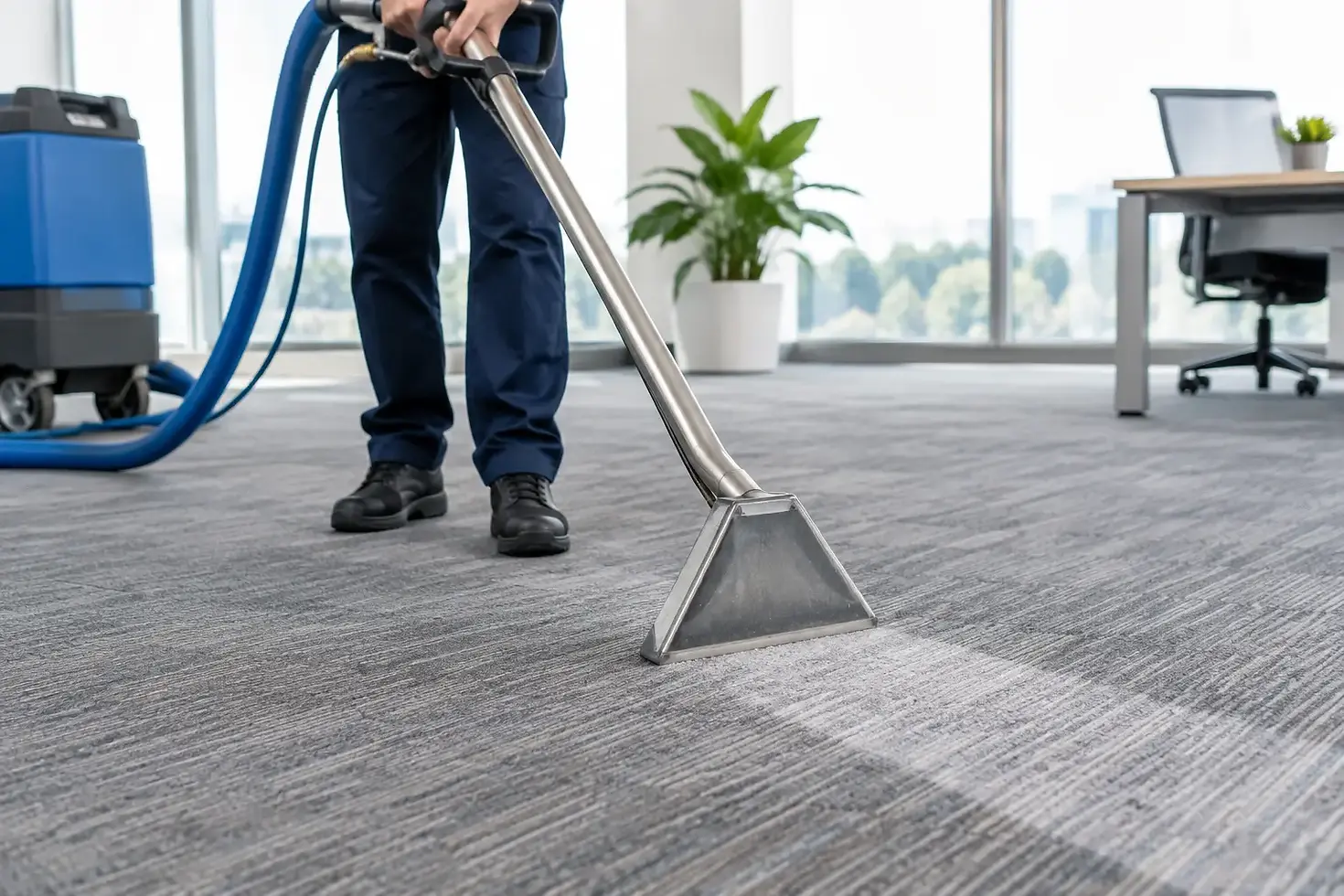
Professional deep cleaning removes embedded soil, helps restore the carpet's texture, and supports a cleaner-looking facility. For many commercial properties, hot water extraction is the preferred restorative method because it flushes soil and cleaning solution from deep within the carpet.
The appropriate frequency depends on usage. A busy lobby, school hallway, medical waiting area, or retail floor may need deep cleaning every three to six months. A standard office with controlled foot traffic may need it every six to twelve months. Facilities that host events, allow food at workstations, or welcome high volumes of public visitors may need more frequent service.
Do not wait until the entire carpet looks dark. By then, fibers may already be worn and the cleaning process may require more time and effort. Scheduling service before visible soil becomes severe typically produces better results and makes the facility easier to maintain.
Timing also matters. Evening, overnight, or weekend cleaning can minimize interruption, but the carpet must have adequate drying time before heavy use resumes. Your cleaning provider should use proper extraction equipment, manage moisture carefully, and help you select a schedule that fits building operations.
Protect Carpet From Furniture and Equipment Damage
Carpet wear is not caused by foot traffic alone. Rolling office chairs, file cabinets, carts, and heavy furniture can crush fibers, create dents, and cause snags. Use chair mats where appropriate, particularly under rolling chairs in high-use workstations. Choose mats that are compatible with the carpet type so they do not shift, curl, or create a tripping hazard.
When moving furniture or equipment, lift rather than drag whenever possible. Use protective pads under heavy items and inspect beneath furniture during routine cleaning. Dust, debris, and unnoticed spills often accumulate in these areas and can contribute to odors or uneven discoloration.
Rearranging furniture occasionally can also reduce the appearance of permanent traffic patterns. It will not reverse fiber damage, but it can distribute future wear more evenly.
Watch for Odors, Moisture, and Recurring Spots
A clean-looking carpet can still have an underlying issue. Persistent odors, recurring stains, or damp areas may signal problems that routine vacuuming cannot solve. Food spills, pet incidents in tenant spaces, plumbing leaks, excess humidity, and inadequate extraction can all create odor concerns.
Address moisture quickly. Carpet and padding that remain wet can support mold or mildew growth and may require more than surface cleaning. If a leak or flood occurs, professional water removal and assessment should begin as soon as possible. Delays can turn a manageable incident into a costly replacement project.
Recurring spots deserve attention as well. They may be caused by residue wicking up from the backing, spills that penetrated below the surface, or cleaning products that were not fully removed. A trained carpet cleaning team can identify the cause and recommend the right corrective method.
Build Carpet Care Into Your Janitorial Plan
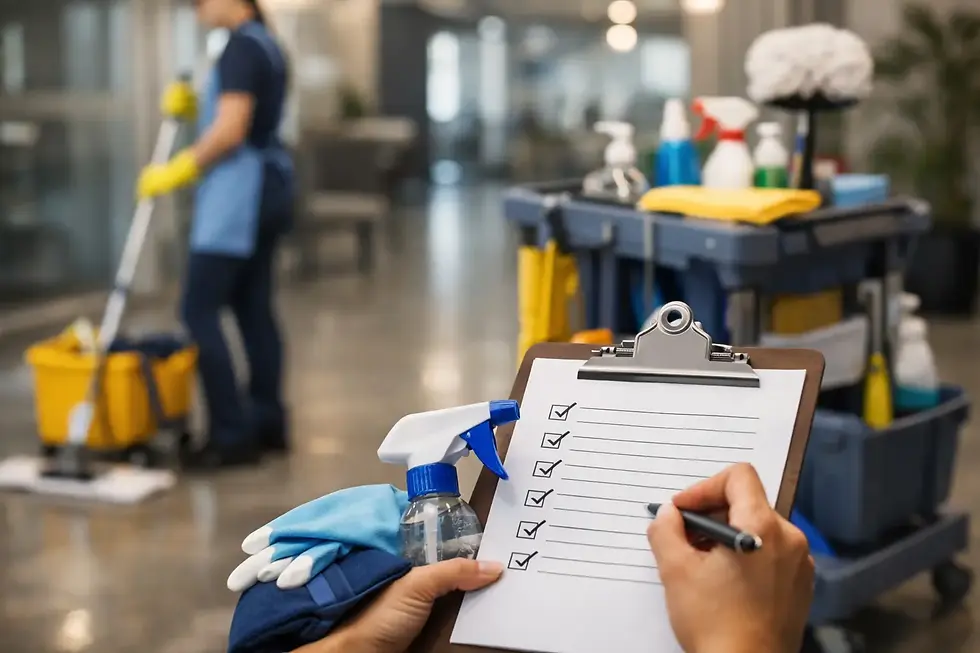
The best commercial carpet program is documented, consistent, and easy for your team to manage. Set expectations for vacuuming frequency, spot response, entrance mat service, inspections, and professional cleaning. Keep records of major spills, water incidents, and deep-cleaning dates so patterns are easier to identify.
A dependable commercial cleaning partner can tailor that program to your building, traffic levels, and operating hours. Unique Shine helps businesses maintain clean, professional facilities with trained cleaners, flexible scheduling, and service designed around real workplace demands.
Commercial carpets work hard every day. Give them regular care before soil, stains, and wear become the first thing clients and employees see.

Comments