

What Do Commercial Cleaning Services Offer?
A facility can look acceptable at 9 a.m. and still leave the wrong impression by noon. Overflowing trash, smudged entry glass, restroom supplies running low, and stained carpet all signal that details are being missed. So, what do commercial cleaning services offer? The right provider offers a planned combination of routine upkeep, specialty care, and responsive support built around how your business actually operates.
For office managers, property managers, and business owners in Albany, the goal is not simply to hire someone to clean. It is to maintain a workplace that is safe, presentable, and ready for employees, customers, tenants, and visitors without disrupting the workday.
What Do Commercial Cleaning Services Offer for Daily Operations?
Commercial cleaning begins with recurring janitorial service. This is the foundation for facilities that need consistent attention every day, several times a week, or on a custom schedule. A service plan should reflect the building's traffic, layout, business hours, and the areas that receive the most use.
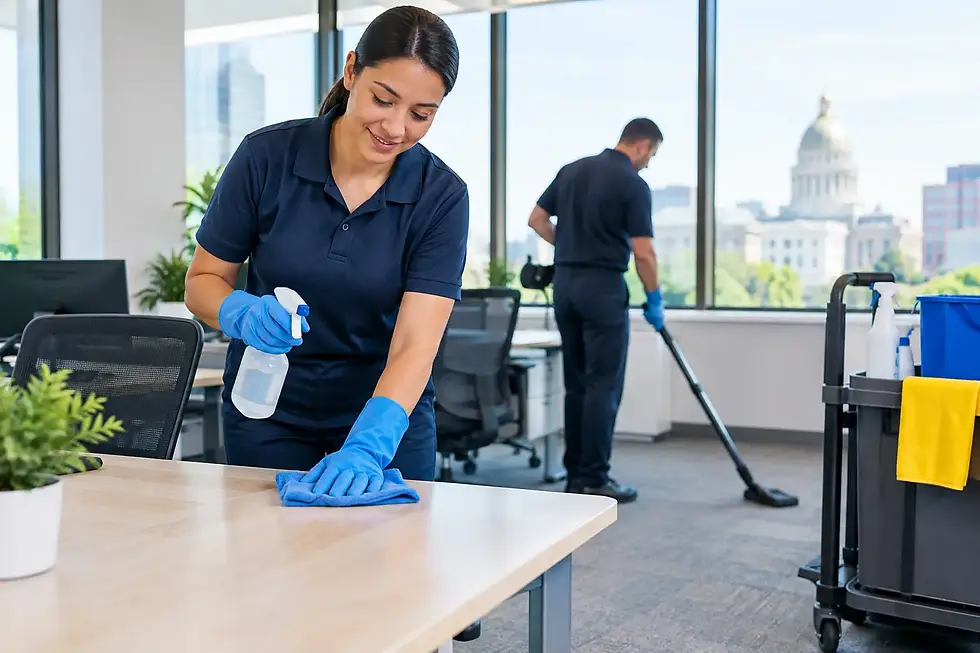
Routine service commonly includes restroom cleaning and sanitizing, trash and recycling removal, vacuuming, mopping, dusting, wiping touchpoints, and cleaning break rooms or common areas. Entryways, elevators, lobbies, and conference rooms may need extra attention because they shape a visitor's first impression and often show dirt quickly.
A dependable janitorial team also handles the small details that can become big complaints. That may mean restocking paper products, wiping fingerprints from doors and glass, removing spills promptly, or keeping floors free of debris. The exact scope should be clear from the start, with agreed service frequencies rather than vague promises.
The schedule matters as much as the task list. Some offices need cleaning after business hours so staff are not interrupted. Medical-adjacent facilities, schools, retail spaces, and high-traffic properties may need daytime porters or more frequent restroom checks. A flexible commercial cleaner can adjust service timing as occupancy, seasons, and business needs change.
Disinfecting and Health-Focused Cleaning
Routine cleaning removes visible soil and helps maintain order. Disinfecting addresses high-touch and high-risk areas with products and procedures appropriate for the facility. The two services work together, but they are not identical.
Disinfecting service may focus on door handles, light switches, shared desks, counters, restroom fixtures, phones, elevator buttons, and break room surfaces. It can be added to recurring janitorial work or scheduled as a focused service after illness concerns, a busy event, or increased traffic.
The practical benefit is a cleaner environment for the people who use the building every day. Still, facility managers should be cautious about providers making broad health claims. Professional cleaning can support sanitation efforts, but no cleaning program can guarantee that people will not get sick. What it can do is deliver consistent, documented attention to the surfaces most people touch.
Floor Care That Protects a Major Investment
Floors take more abuse than almost any other part of a commercial space. Salt and slush during an Albany winter, wet shoes, furniture movement, spills, and daily foot traffic can quickly make flooring look worn. Regular vacuuming and mopping help, but many facilities need deeper floor care to protect their investment.
Carpet cleaning removes embedded soil, spots, and odors that routine vacuuming cannot fully address. It is especially useful in offices, hallways, waiting rooms, apartment common areas, and other spaces where carpeting affects the overall appearance of the property. Frequency depends on traffic and use. A low-traffic executive office may need periodic service, while a busy lobby may require more regular attention.
Hard-surface floor cleaning can include machine scrubbing, buffing, and detailed cleaning around edges. For vinyl composition tile and similar resilient floors, strip-and-wax service removes old finish and applies a fresh protective coating. This can restore a brighter appearance while making routine maintenance easier.
Strip-and-wax is not needed for every floor type, and it should not be treated as a one-size-fits-all solution. The material, current condition, foot traffic, and maintenance history all matter. A qualified cleaning team should recommend the right method instead of applying the same process throughout the building.
Window Cleaning and Detail Work
Clean windows make a property feel cared for before anyone reaches the reception desk. Interior glass, entry doors, sidelights, partitions, and lobby windows collect fingerprints, dust, and weather-related residue quickly. Professional window cleaning helps maintain a polished appearance without asking employees to handle ladders, streaks, or hard-to-reach glass.
Detail work can also include cleaning baseboards, vents, high ledges, blinds, doors, fixtures, and other overlooked surfaces. These are often the places where a facility starts to look neglected, even when the visible floor has been cleaned. Periodic detail service is a practical way to reset the space and support the results of regular janitorial work.
Deep Cleaning for High-Need Areas
A deep clean goes beyond the normal service checklist. It is designed for areas with buildup, neglected surfaces, seasonal needs, move-ins or move-outs, or a facility that needs to get back to a higher standard.
For example, a deep cleaning project may address accumulated soil in restrooms, kitchen and break room buildup, carpet stains, detailed dusting, hard-floor restoration, and areas behind or beneath furniture. It can be scheduled as a one-time project or used to establish a clean baseline before recurring service begins.
This option is valuable when a property has changed hands, a tenant has moved out, an event has created heavy traffic, or routine cleaning was inconsistent under a previous provider. It is also a smart choice before important client visits, inspections, or reopening a space after a period of limited use.
Post-Construction Cleanup for a Ready-to-Use Space
Construction and renovation work leave behind more than obvious debris. Fine dust settles on horizontal surfaces, adhesive residue may remain on floors or glass, and protective materials need to be removed carefully. A post-construction cleanup prepares the completed space for staff, tenants, customers, or final walkthroughs.
This service can include debris removal, detailed dust removal, floor cleaning, interior window cleaning, wipe-downs of fixtures and surfaces, and final presentation cleaning. The work often occurs in phases, depending on the stage of the project. A rough clean may be needed during construction, followed by a detailed final clean once trades have finished.
Timing is critical. Cleaning too early can mean redoing the job after additional work creates more dust. Cleaning too late can delay occupancy. A responsive commercial cleaning partner coordinates the service around project milestones and the condition of the site.
What to Expect From a Full-Service Provider
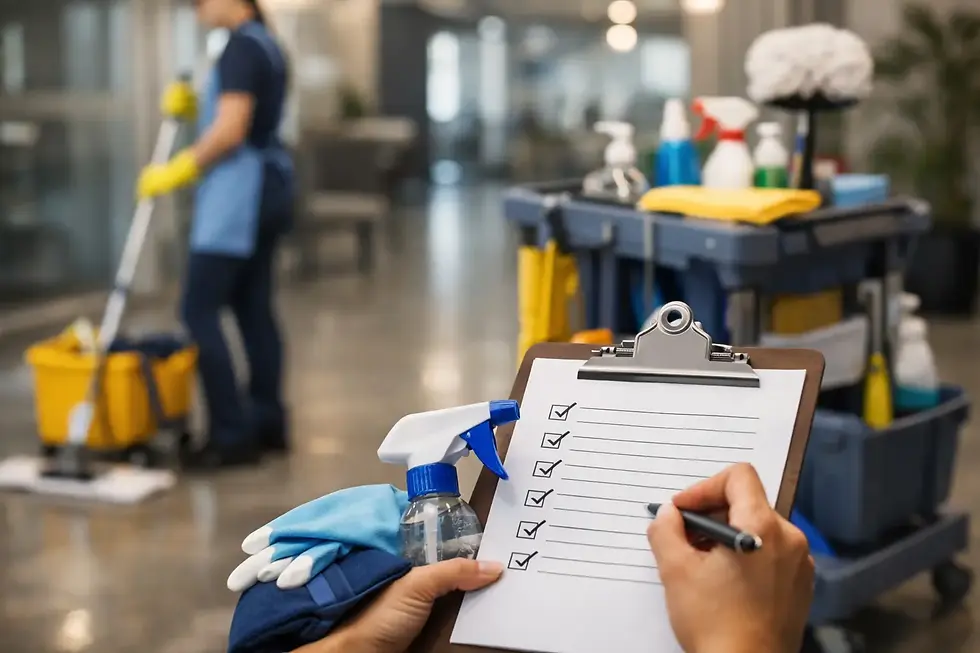
The service menu matters, but execution matters more. Commercial clients need trained cleaners who understand workplace standards, follow the agreed checklist, and communicate when conditions change. They also need a provider that can respond when a spill, event, special request, or urgent cleaning issue cannot wait until the next scheduled visit.
Look for a company that is insured and bonded, offers clear estimates, and can work around your schedule. Ask how quality is checked, who to contact if something is missed, and whether the company can add specialty services without forcing you to manage several vendors. These questions reveal whether a provider is prepared to support your facility over time.
A full-service team such as Unique Shine can combine recurring janitorial service with disinfecting, carpet care, floor maintenance, window cleaning, deep cleaning, and post-construction cleanup. That breadth is useful because your needs will not stay the same all year. A clean office after a quiet week requires a different approach than a lobby after a winter storm or a newly renovated suite awaiting occupancy.
The best place to start is a walkthrough of your facility. Identify the areas people notice first, the spaces that create the most sanitation concerns, and the tasks your staff should not have to manage. From there, build a cleaning plan that keeps your property looking cared for on ordinary days and prepared when the unexpected happens.

Comments