
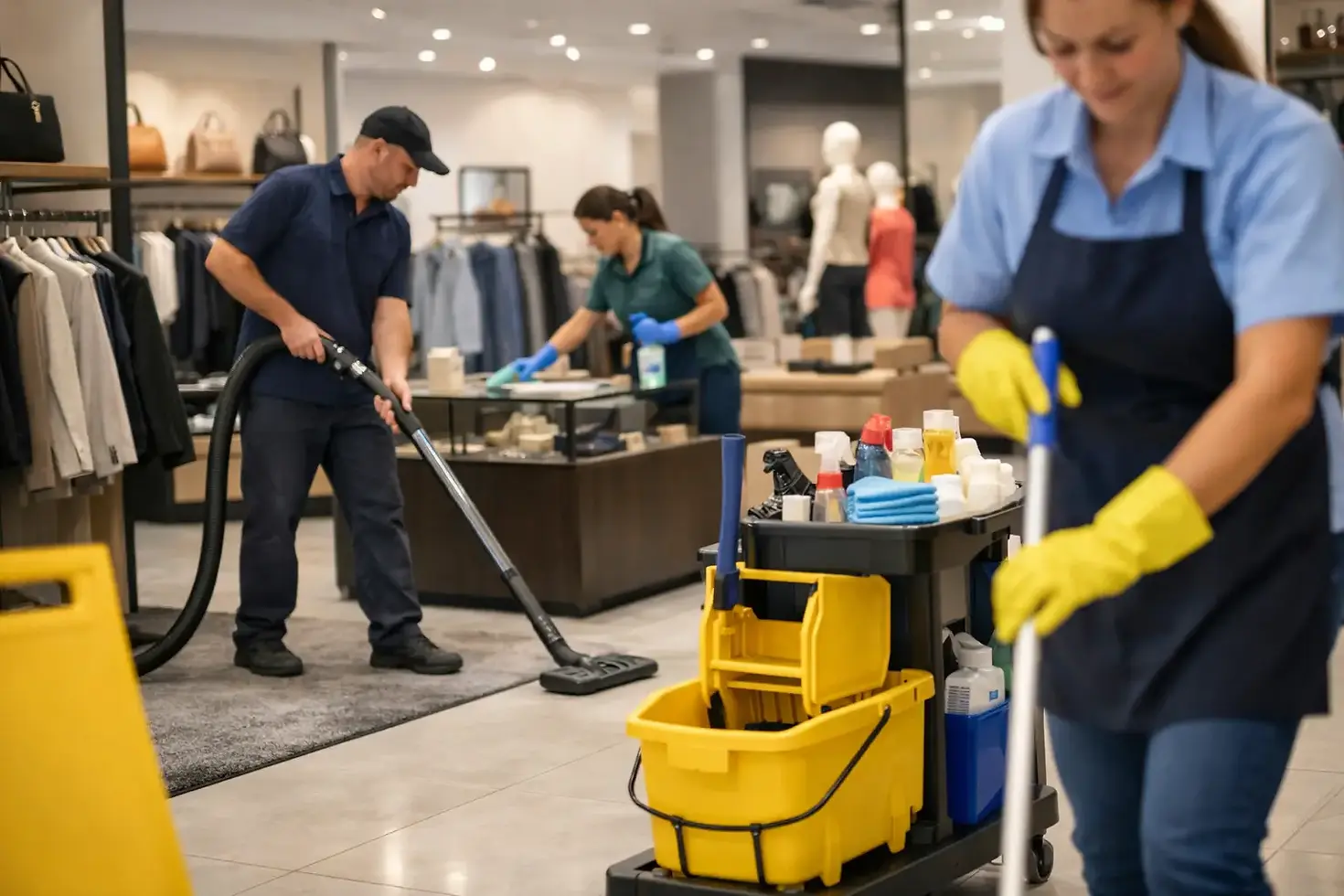
Retail Store Cleaning Guide for Albany Businesses
A customer may not comment on a clean store, but they notice the opposite immediately: smudged glass at the entrance, debris near the registers, dusty displays, or a restroom that feels neglected. This retail store cleaning guide helps Albany-area store managers build a practical routine that protects the customer experience without pulling staff away from selling, stocking, and service.
Cleanliness is not only an appearance issue. It affects safety, brand trust, employee morale, and the condition of expensive flooring and fixtures. The right plan combines quick attention throughout the day with dependable professional cleaning after hours or during low-traffic periods.
Start With the Customer Path
The most effective retail cleaning plan follows the way shoppers move through the store. Begin at the parking lot or entrance, move through high-traffic aisles and product areas, then finish at the checkout counter and restrooms. This approach keeps the spaces customers see and touch most often from becoming a distraction.
Your entryway sets the standard. Glass doors should be free of fingerprints, floor mats should lie flat and collect moisture, and entry floors should be dry and free of salt, leaves, or grit. In Albany, winter weather makes this especially important. Road salt and slush can quickly create slip hazards while damaging hard floors over time.
Once customers are inside, focus on visible touchpoints such as shopping carts, baskets, fitting room benches, door handles, counters, payment terminals, and handrails. These surfaces need regular attention, but the frequency depends on traffic. A busy grocery, pharmacy, or clothing store may need hourly spot cleaning, while a specialty shop may need checks several times a day.
Retail Store Cleaning Guide: Build a Daily Routine
A daily routine should make it clear who handles immediate needs and when a professional cleaning team takes over. Staff can address small spills and visible issues as they happen. A trained commercial cleaning crew can handle the detailed work that requires equipment, proper products, and more time.
At opening, walk the store before customers arrive. Check entrance glass, floors, counters, restrooms, fitting rooms, and trash receptacles. Confirm that no odor, spill, or clutter will greet the first customer of the day.
During operating hours, assign employees to make regular floor walks. They should remove obvious debris, respond to spills immediately, straighten public areas, and report maintenance issues. Spot mopping is useful, but caution signs and proper drying time are essential. A clean floor that is left wet can create a larger problem than the dirt it removed.
After closing, deeper routine work should restore the store for the next day. This often includes vacuuming or sweeping, mopping, restroom sanitation, trash removal, dusting, cleaning mirrors and glass, and wiping high-touch surfaces. In stores with frequent deliveries or heavy foot traffic, back rooms and receiving areas need the same attention as the sales floor. Cardboard dust, packing debris, and overflowing trash can attract pests and create fire or trip hazards.
For a consistent close, make sure the nightly plan covers these four areas:
Sales floors, including corners, under display edges, and transitions between floor types
Restrooms, including fixtures, partitions, floors, dispensers, and odor control
Checkout and customer service areas, where fingerprints, trash, and clutter build quickly
Break rooms and stockrooms, where spills and food waste are often overlooked
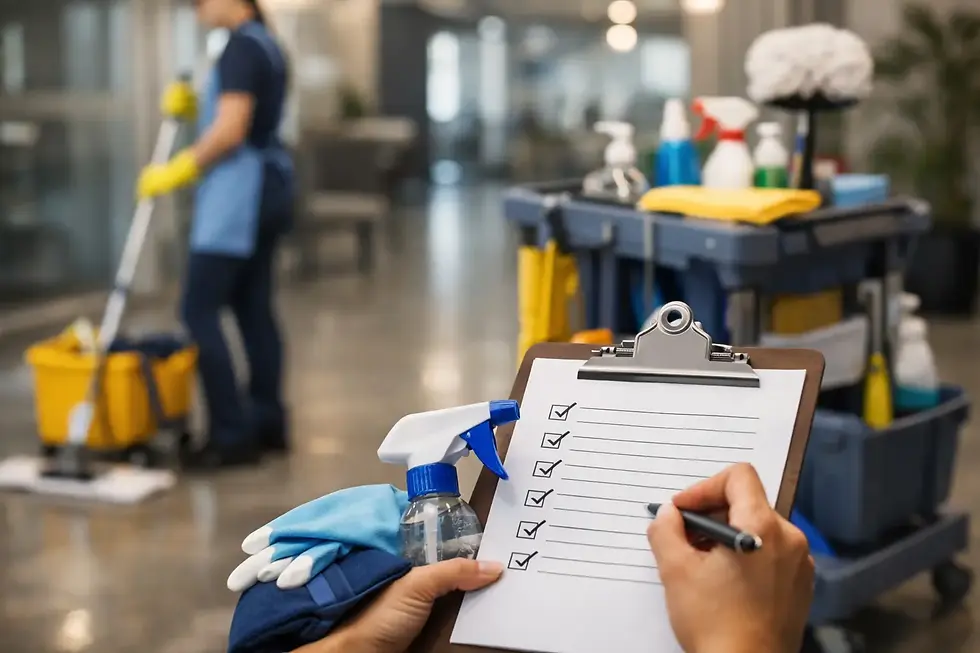
A written scope of work prevents vague expectations. It also gives managers a simple way to verify that service was completed to the expected standard.
Match Floor Care to Your Store’s Materials
Floors are one of the largest visual surfaces in a retail environment, and they take the hardest daily wear. The right cleaning method depends on the material, the amount of traffic, and the season. Using a one-size-fits-all approach can leave floors dull, slippery, or permanently damaged.
Vinyl composition tile, common in many stores, benefits from regular damp mopping and periodic machine scrubbing. Over time, it may need stripping and waxing to remove worn finish and restore a clean, professional shine. Skipping this maintenance can allow dirt to become embedded in the surface, making the entire store look older than it is.
Carpeted retail areas need frequent vacuuming, especially at entrances and fitting rooms. Spot treatment should happen quickly, since beverage spills, makeup, grease, and tracked-in soil become harder to remove as they set. Periodic professional carpet cleaning removes the dirt that vacuuming cannot reach and helps preserve the carpet’s appearance.
Hardwood, laminate, polished concrete, and specialty flooring require product-specific care. Excess water, harsh chemicals, or abrasive pads may void manufacturer recommendations or cause visible damage. When in doubt, ask a commercial cleaning provider to assess the floor before scheduling deep cleaning.
Do Not Treat Restrooms as an Afterthought
Restrooms are where customers make fast judgments about how a business is managed. A beautifully merchandised store can still lose credibility when the restroom is poorly maintained. Clean fixtures, stocked supplies, dry floors, and a fresh smell matter because they signal that the business pays attention to details.
Restroom cleaning should go beyond a quick wipe-down. Toilets, sinks, partitions, faucets, dispensers, door handles, and floors all need appropriate disinfecting and cleaning. Mirrors should be streak-free, trash should be removed before it overflows, and paper products should be replenished before a customer has to ask.
The schedule should reflect foot traffic. A store in a shopping center with weekend crowds may need restroom checks every hour. A smaller showroom may need fewer checks, but a documented routine still helps staff catch issues before they affect visitors.
Plan for Seasonal and Deep Cleaning Needs
Daily cleaning keeps the store presentable. Deep cleaning protects the property and addresses the buildup that routine work cannot fully remove. Most retailers benefit from scheduling specialty services around seasonal changes, inventory resets, grand openings, or slower sales periods.
In winter, entrance mats, hard floors, and windows often need extra service because of salt, moisture, and grime. In spring, window cleaning and carpet care can make the store feel refreshed after months of harsh weather. Before a major promotion or holiday shopping season, a detailed floor service and high dusting can improve the overall presentation of displays and merchandise.
Deep cleaning may include machine scrubbing, carpet extraction, strip-and-wax floor services, interior window cleaning, high dusting, upholstery cleaning, or disinfecting high-touch areas. The right mix depends on your store type. A boutique may prioritize mirrors, fitting rooms, and windows, while a large-format retailer may need more intensive floor and restroom support.
Choose a Cleaning Partner That Works Around Operations
Retail managers need more than a crew that arrives with supplies. They need a reliable partner that understands access procedures, alarm protocols, store hours, and the importance of showing up consistently. Cleaning should support operations, not interrupt them.
When evaluating a commercial cleaning company, ask how it handles quality checks, staffing coverage, communication, and special requests. Confirm that the company is insured and bonded, uses trained cleaners, and can provide flexible scheduling for nights, early mornings, weekends, and emergency needs. Price matters, but the lowest quote can become expensive if missed tasks, poor floor care, or unreliable service create complaints and rework.
Unique Shine provides commercial cleaning support for retail businesses throughout Albany and surrounding areas, with recurring janitorial service and specialized floor, carpet, window, disinfecting, and deep cleaning options. A customized plan can give managers a clear schedule while leaving room for seasonal work and unexpected needs.
A clean store is easiest to maintain when it is treated as an operating standard, not a last-minute task. Set clear expectations, inspect what customers see first, and bring in qualified help for the work that protects your space long after the doors close.

Comments