
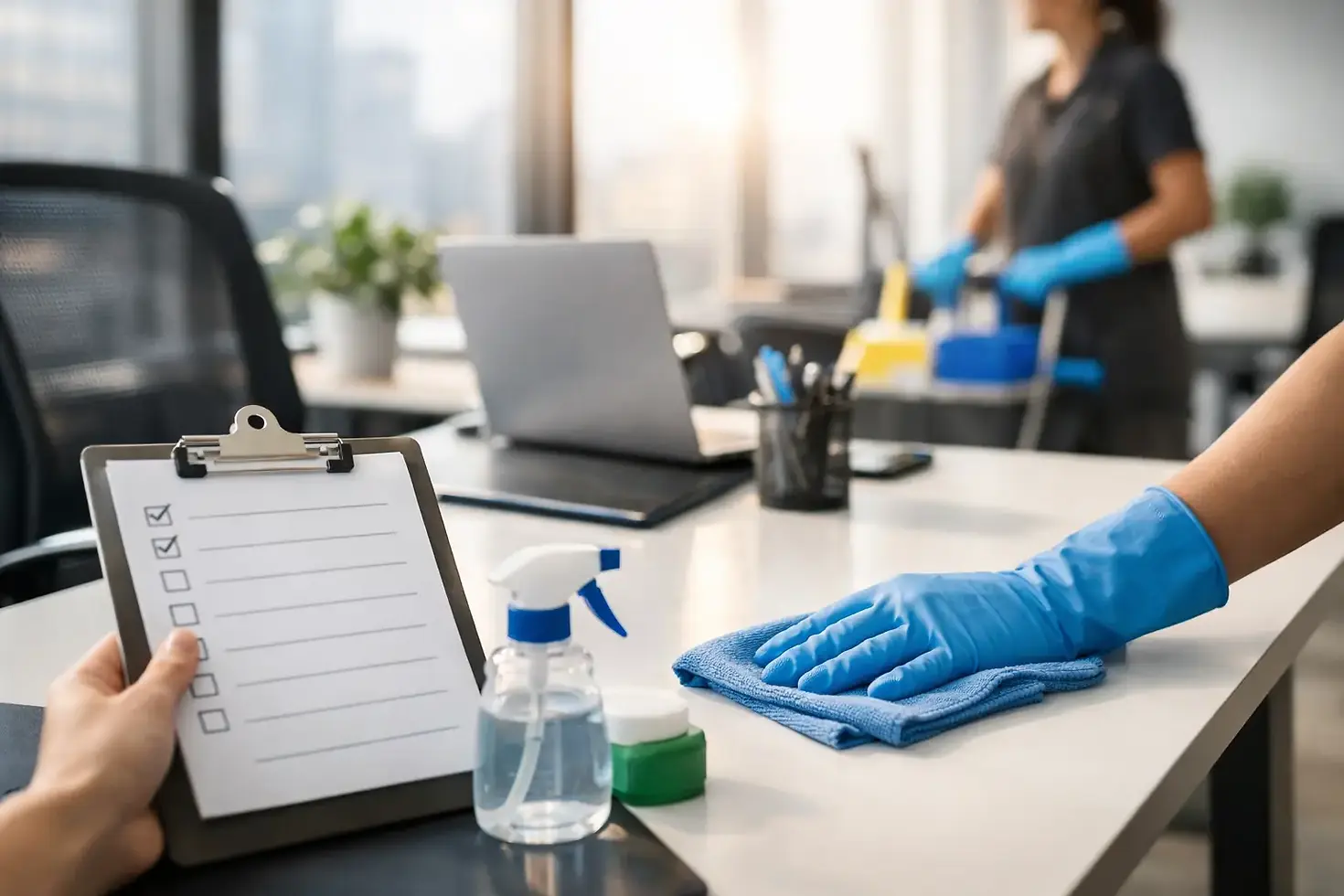
Recurring Office Cleaning Checklist for Better Workdays
A clean office is noticed most when it is missing. Overflowing trash, streaked entry glass, neglected restrooms, and dusty workstations quickly affect how employees, visitors, and clients view your business. A recurring office cleaning checklist gives your team and cleaning provider a clear standard to follow, so essential tasks are completed consistently rather than addressed only after complaints arise.
The right checklist is not identical for every workplace. A small professional office with hybrid employees has different needs than a busy medical-adjacent administrative space, call center, property management office, or multi-tenant building. The goal is to match cleaning frequency to foot traffic, workspace layout, restroom use, and the level of presentation your business requires.
Start With the Areas That Shape First Impressions
Entrances, lobbies, reception desks, and conference rooms carry a disproportionate amount of responsibility. They are where visitors decide whether a facility feels organized, safe, and cared for. These spaces should receive attention during every scheduled service, even if less-visible areas are cleaned on a rotating basis.
A reliable recurring cleaning plan should cover entry doors and glass, reception counters, seating, tables, hard-surface floors, and trash removal. It should also address fingerprints on high-touch surfaces, especially door handles, elevator buttons, light switches, and shared check-in equipment.
For Albany-area offices, seasonal conditions matter. Rain, snow, salt, and slush can make entryways look dirty within hours while creating slip hazards. During winter, a cleaning checklist may need more frequent floor care and mat maintenance than it does during dry weather. This is one reason a flexible service schedule is more useful than a one-size-fits-all plan.
Daily Recurring Office Cleaning Checklist
Daily cleaning protects the basics: sanitation, appearance, and comfort. In offices with regular occupancy, the following items are typically the foundation of recurring janitorial service:
Empty trash and recycling containers, replace liners as needed, and remove waste from shared spaces.
Clean and disinfect restroom fixtures, including toilets, urinals, sinks, faucets, dispensers, mirrors, and partitions.
Refill soap, paper towels, toilet paper, hand sanitizer, and other agreed-upon restroom supplies.
Wipe and disinfect high-touch points such as door handles, light switches, shared phones, appliance handles, and copier controls.
Wipe breakroom counters, tables, sinks, and appliance exteriors; remove food debris and spot-clean cabinet fronts.
Vacuum carpeted traffic areas and sweep or damp mop hard floors.
Spot-clean glass doors, interior windows, wall marks, and spills that affect the appearance of the office.
Daily does not always mean five nights per week. A lightly occupied office may be well served by three visits each week, while a high-traffic facility may need daily service or daytime porter support. The right frequency depends on what happens between cleanings. If restrooms run short on supplies, trash fills before the next visit, or floors look worn after one business day, the schedule needs adjustment.
Restrooms Need Measurable Standards
Restroom cleaning is where inconsistency is most visible. A restroom should not merely look clean from the doorway. Fixtures should be disinfected, floors should be free of debris and standing water, mirrors should be streak-free, and supplies should be available before employees or guests need them.
Set clear expectations for odor control, replenishment, and touchpoint disinfection. If your office serves customers, patients, tenants, or the public, consider periodic daytime checks in addition to after-hours cleaning. A professional cleaning provider can also document recurring supply needs, helping prevent shortages before they disrupt the workday.
Weekly Tasks That Prevent Buildup
Weekly work handles the details that daily service may not reach. These tasks reduce buildup, keep surfaces presentable, and extend the life of office finishes.
Focus weekly attention on baseboards in visible areas, chair legs, interior glass, conference room furniture, window ledges, vents that collect dust, and the edges of hard floors. Vacuuming should include under accessible furniture and along walls, not only the center of open walkways. Breakrooms may also need a more detailed clean of microwaves, refrigerator exteriors, and cabinet fronts.
Workstations require a thoughtful approach. Many businesses prefer cleaners to avoid moving papers, personal belongings, or computer equipment. That is a reasonable boundary, but it should be stated in the scope of work. A checklist can call for emptying desk-side trash, dusting accessible surfaces, and cleaning surrounding floors without disturbing employee materials.
Monthly and Periodic Cleaning Tasks
Some work is necessary but does not belong on every visit. Periodic services protect the condition of the facility and prevent the office from slowly looking neglected.
Monthly or quarterly tasks may include detailed dusting of blinds, high ledges, vents, door frames, and light fixtures; cleaning interior windows; wiping walls and removing scuff marks; and treating buildup around floor edges. Carpet spot treatment should be ongoing, while a full carpet cleaning schedule depends on traffic, weather, and the type of carpet installed.
Hard floors require the same long-term attention. Regular mopping removes surface soil, but it cannot restore a dull finish or correct heavy wear. Depending on the flooring material and traffic level, your plan may need machine scrubbing, buffing, or strip-and-wax floor service. Waiting until floors look permanently damaged usually makes the corrective work more expensive and disruptive.
Plan for Seasonal and One-Time Needs
A recurring checklist should leave room for work that does not fit the daily routine. Winter floor care, spring window cleaning, post-event cleanup, move-in or move-out cleaning, and disinfecting after illness concerns may all call for additional service.
This is where a full-service commercial cleaning partner is valuable. Instead of asking a routine janitorial crew to take on specialized work outside its scope, you can schedule the right service for the job while keeping your regular cleaning plan in place.
Make the Checklist Accountable
A checklist only works when it is specific enough to verify. Vague instructions such as “clean the kitchen” or “maintain restrooms” leave too much open to interpretation. Define the rooms, surfaces, frequency, and standards that matter to your facility.
For example, specify whether trash is removed from every desk, whether conference room tables are disinfected at each visit, which restrooms are stocked by the cleaning team, and how spills are reported. If there are restricted offices, secure areas, or rooms with special procedures, include those details in writing.
It also helps to establish a simple communication process. Facility managers should know who to contact for missed tasks, special requests, building access changes, or quality concerns. A dependable provider should respond promptly, correct issues, and adjust the scope as occupancy or operations change.
Review the Schedule as Your Office Changes
A cleaning plan that worked a year ago may no longer fit. Employee attendance patterns, tenant turnover, expanded office space, new flooring, and increased visitor traffic can all change what your facility needs. Review your recurring office cleaning checklist at least twice a year and after any major operational change.
Pay attention to the practical signs: complaints about restrooms, recurring odors, dirty floors before the next service, dust on visible surfaces, or supplies running out. These are not minor inconveniences. They signal that the cleaning scope, frequency, or quality controls need attention.
Unique Shine helps commercial clients build cleaning plans around their actual facilities, schedules, and standards. The best checklist is the one your team rarely has to think about because the office stays consistently clean, stocked, and ready for the next workday.

Comments