

Medical Office Cleaning Requirements Checklist
A clean reception desk is reassuring. A properly disinfected exam room, restroom, and waiting area is a patient safety expectation. Medical office cleaning requirements go beyond making a space look presentable. They require a documented, consistent approach to cleaning, disinfection, waste handling, staff training, and quality control.
For medical practices in Albany and surrounding areas, the right plan also has to work around patient appointments, confidential information, staff workflows, and the specific services provided in the office. A pediatric practice, dental office, urgent care center, and specialty clinic may share core cleaning needs, but their risks and priorities are not identical.
What Medical Office Cleaning Requirements Usually Include
Medical office cleaning is not one task performed at the end of the day. It is a system that separates routine cleaning from targeted disinfection and assigns the right frequency to each area.
Cleaning removes visible soil, dust, and organic material from surfaces. Disinfection uses an appropriate product to kill or inactivate identified germs on hard, nonporous surfaces. A disinfectant cannot perform as intended on a visibly dirty surface, which is why proper cleaning steps matter before disinfection begins.
A dependable program should address the following areas:
Patient-facing spaces, including entrances, waiting rooms, reception counters, chairs, check-in kiosks, and restrooms
Clinical spaces, including exam rooms, treatment rooms, nursing stations, and high-touch equipment exteriors
Staff areas, including break rooms, offices, lockers, and staff restrooms
Floors, carpets, windows, and touchpoints that affect both appearance and infection-control efforts
Waste collection areas and any designated process for regulated medical waste
The exact scope should be based on the practice's services, patient volume, surface types, and operating hours. A low-traffic administrative office inside a medical building may need routine janitorial cleaning. A busy clinic with frequent room turnover needs more frequent attention to high-touch and patient-contact surfaces.
Build a Cleaning Plan Around Patient Flow
The best cleaning schedules follow how people actually move through the building. Start at the entrance and trace the patient experience: door handles, check-in surfaces, seating, restrooms, exam rooms, payment counters, and exit routes. These are the areas where missed details are most visible and where touchpoints can accumulate contamination quickly.
Waiting Rooms and Reception Areas
Waiting areas need repeated attention throughout the day, especially during high-volume appointment blocks. Door handles, counters, chair arms, tables, pens, payment terminals, elevator buttons, and restroom doors should be cleaned and disinfected on a schedule that matches traffic.
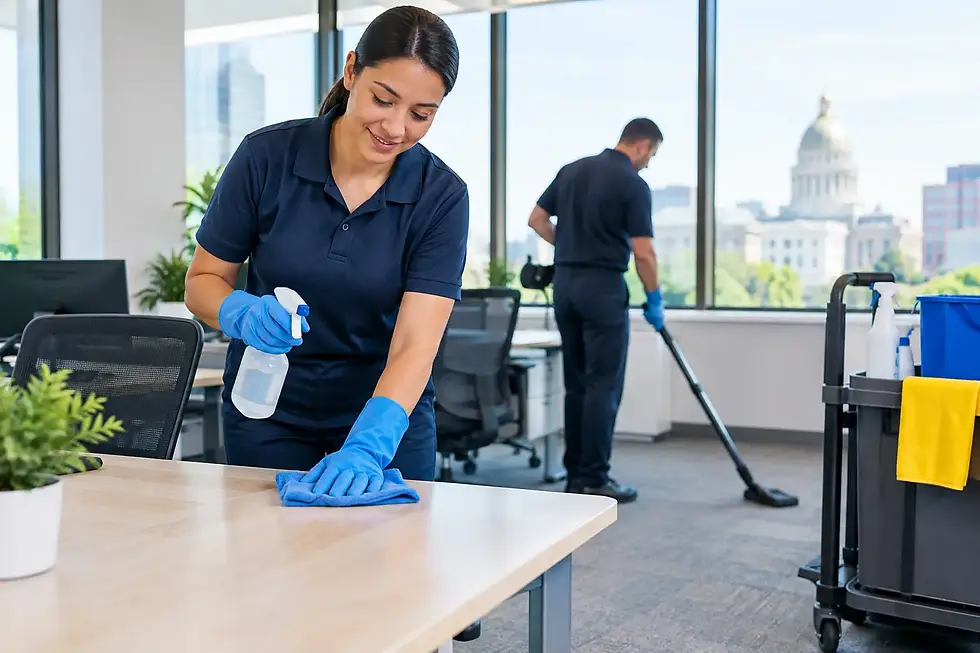
Reception teams often handle constant interruptions. A trained commercial cleaning team can complete after-hours detailed cleaning while staff manage immediate touchpoint needs during the day. The division of responsibility should be clear so no one assumes a surface has been addressed when it has not.
Remove trash before it overflows, clean spills promptly, and keep entry glass, floors, and seating visibly maintained. Patients often judge the clinical environment before they ever meet a provider. Dirty corners, streaked glass, and neglected restrooms can undermine trust quickly.
Exam Rooms and Treatment Areas
Exam rooms require a more precise process. Practices should establish room-turnover procedures that identify who cleans which surfaces between patients, which products are approved, and how long a disinfectant must remain visibly wet to meet its label directions.
Frequently touched surfaces may include exam tables, chair arms, counters, cabinet pulls, light switches, door handles, call buttons, keyboards, and equipment handles. Staff should follow the office's infection-control policies for clinical equipment, supplies, linens, and patient-care surfaces. A cleaning vendor should never make assumptions about how specialized medical equipment is cleaned.
For many offices, routine janitorial staff handle floors, trash, dusting, restrooms, and public-area disinfection, while clinical staff perform between-patient disinfection and tasks involving medical devices or treatment surfaces. This separation protects the workflow and helps ensure the right person handles the right task.
Use the Right Products and Procedures
Medical offices should use disinfectants appropriate for the surfaces and intended purpose. Product labels matter. They specify where the product can be used, how it should be diluted or applied, required contact time, personal protective equipment, and other safe-use instructions.
Using more product is not always better. Overapplication can leave residue, damage finishes, create slip risks, or irritate occupants. Using a disinfectant incorrectly can also reduce its effectiveness. Trained cleaners should understand dwell time, color-coded cloth systems where appropriate, chemical storage, and the difference between a general-purpose cleaner and a disinfectant.
Cross-contamination prevention is equally important. A cloth used in a restroom should never be used at a reception counter or in an exam room. Mop heads, buckets, cleaning tools, and vacuum equipment should be maintained and used in a way that does not move contaminants from one area to another.
Floors deserve special attention because they affect safety as well as appearance. Hard floors may need daily damp mopping, periodic machine scrubbing, and scheduled strip-and-wax service depending on the finish and traffic level. Carpets need regular vacuuming and planned deep cleaning to remove embedded soil, stains, and odors without disrupting office hours.
Address Waste Safely and Clearly
Not all waste in a medical office is handled the same way. General office and restroom trash can be collected through routine janitorial service. Sharps, biohazardous materials, pharmaceuticals, and regulated medical waste require practice-specific procedures and properly designated containers.
Cleaning personnel should not be expected to handle loose sharps, recap needles, transfer medical waste between containers, or make decisions about whether material is regulated waste. The medical practice must provide clear instructions, appropriate supplies, and a defined escalation process if a cleaner finds an unsafe item.
A written spill-response procedure is also essential. It should explain who is responsible, which supplies are used, what protective equipment is required, and when a spill requires specialized response. The goal is not simply to clean quickly. It is to protect patients, employees, and cleaning staff while following the facility's policies.
Train for Safety, Privacy, and Consistency
A medical office cleaning provider should be trained for commercial cleaning conditions and understand the added responsibilities of healthcare-adjacent environments. That includes safe chemical handling, bloodborne pathogen awareness, personal protective equipment, hazard communication, and incident reporting.
Privacy matters as well. Cleaners may work near patient schedules, charts, labels, computer screens, and conversations. They should be instructed not to access patient information, move clinical paperwork unnecessarily, or discuss anything seen in the facility. Secure access procedures, key control, and alarm protocols should be established before service begins.
Insurance and bonding are practical trust signals for medical practices. They do not replace a detailed cleaning plan, but they provide added protection when a vendor has regular access to your facility after hours or during limited-staff periods.
Create a Schedule That Matches Your Office
There is no one-size-fits-all frequency for medical office cleaning requirements. The right schedule depends on patient volume, office layout, number of restrooms, services performed, seasonal illness patterns, and whether the practice shares common areas with other tenants.
Most medical offices benefit from recurring daily or several-times-weekly janitorial service for public areas, restrooms, trash, floors, and visible touchpoints. High-volume spaces may need daytime porter support for restroom checks, spill response, lobby upkeep, and repeated disinfection of common touchpoints.
Then add periodic services that routine cleaning does not replace. These may include carpet extraction, hard-floor restoration, interior window cleaning, upholstery cleaning, high dusting, deep cleaning, and post-construction cleanup after renovations. Scheduling these services after hours or on weekends helps protect appointments and keeps disruption low.
Document the Work and Inspect the Results
Consistency is easier to manage when expectations are written down. A detailed scope of work should identify rooms, tasks, frequencies, service times, products or product categories, access instructions, and points of contact. It should also clarify what is outside the cleaning team's scope.
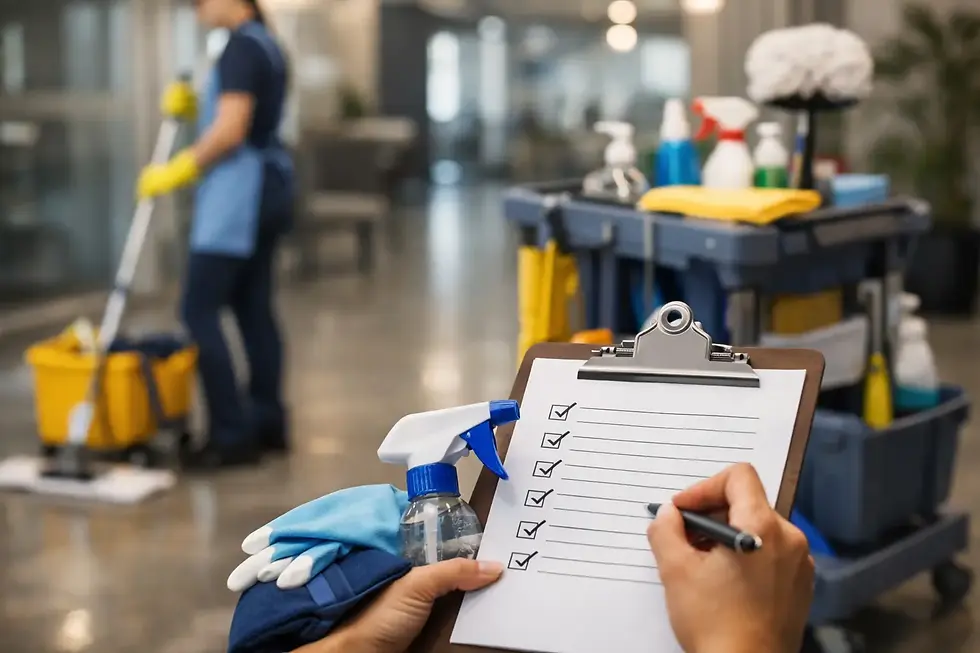
A simple inspection process helps prevent small misses from becoming recurring problems. Check restrooms for supplies and odors, inspect corners and baseboards, review floors under seating and exam tables, and look at high-touch surfaces from the patient's point of view. When an issue is found, the cleaning provider should respond quickly and adjust the plan if needed.
The strongest results come from a partnership between office staff and a responsive cleaning team. Unique Shine works with commercial clients to build flexible cleaning plans around facility needs, scheduling requirements, and the details that patients notice.
A medical office should feel orderly, clean, and ready before the first patient arrives. Choose a cleaning plan that supports that standard every day, while giving your staff a reliable team to call when needs change.

Comments