
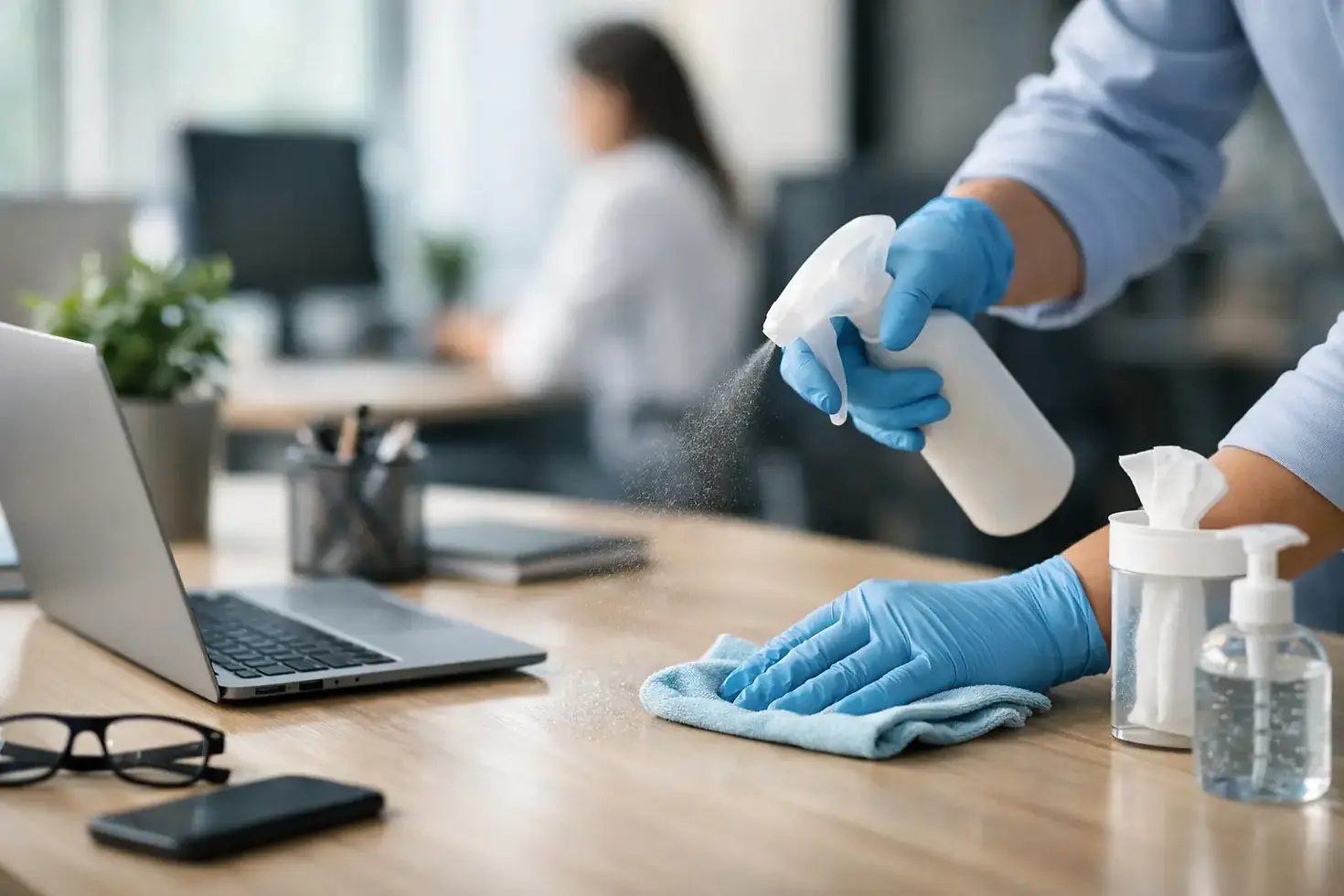
How to Sanitize Shared Workspaces Properly
A conference room can look clean at 9 a.m. and still carry a full day of fingerprints, food spills, shared-device residue, and restroom traffic by 5 p.m. For office managers and facility teams, the challenge is not simply making a workplace look presentable. It is building a reliable process for how to sanitize shared workspaces without interrupting the people who use them.
A strong sanitation plan protects the employee experience, supports a professional image for clients and visitors, and helps address the details that employees notice first. The right approach depends on your building traffic, industry, layout, and schedule. A small professional office will need a different routine than a medical-adjacent facility, school, warehouse, or multi-tenant property.
Start With Cleaning, Then Sanitize or Disinfect
Cleaning and sanitizing are related, but they are not the same task. Cleaning removes visible soil, dust, crumbs, spills, and grime from a surface. Sanitizing reduces germs on a cleaned surface to safer levels. Disinfecting is designed to kill or inactivate a broader range of germs and may be appropriate for restrooms, illness-related incidents, and high-risk environments.
Skipping the cleaning step is one of the most common mistakes in shared spaces. Soil and residue can prevent a sanitizer or disinfectant from reaching the surface effectively. Wipe down the table first, then apply the product according to its label instructions.
Contact time matters, too. A disinfectant that is immediately wiped dry may not have enough time to work as intended. Your team should know whether a product needs to remain visibly wet for 30 seconds, one minute, or longer. Follow the manufacturer label, use only approved products for the material being treated, and never mix cleaning chemicals.
Identify the Surfaces People Actually Touch
The most visible areas are not always the most frequently touched. A polished lobby floor makes a good impression, but the front-door handle, elevator button, and reception counter may need attention much more often.
Walk the workspace during a normal operating day and map the touchpoints. Watch where employees pause, eat, print documents, open doors, and share equipment. In most commercial facilities, high-priority surfaces include:
Exterior and interior door handles, push plates, locks, and handrails
Light switches, elevator buttons, thermostat controls, and shared touchscreens
Reception counters, meeting-room tables, chair arms, and breakroom tables
Copier panels, printers, keyboards, phones, headsets, and shared tablets
Faucet handles, flush levers, stall locks, soap dispensers, and paper towel dispensers
Refrigerator handles, microwave buttons, coffee stations, and vending-machine controls
Not every item needs the same frequency. A conference room used once a week can be serviced after use and during regular cleaning. A shared breakroom counter or restroom fixture in a busy Albany office may need attention multiple times throughout the day.
Give Restrooms and Breakrooms Extra Attention
Restrooms and breakrooms are where sanitation standards become most obvious to employees and guests. They also require different cleaning tools and procedures to reduce cross-contamination.
Restrooms should be cleaned from cleaner areas toward dirtier areas. Mirrors, dispensers, doors, and counters should be addressed before toilets and floors. Use dedicated restroom tools and cloths that are not carried into offices, kitchens, or reception spaces. Refill soap, paper products, and hand sanitizer before supplies run low, because an empty dispenser can undermine an otherwise clean facility.
In breakrooms, focus on food-contact and high-touch surfaces. Clean tables and counters after food debris is removed, sanitize shared appliance handles and controls, and empty trash before odors develop. If employees are responsible for some daily cleanup, provide clear expectations and the supplies needed to meet them. Professional janitorial service should support that effort, not rely on employees to solve recurring sanitation problems.
Build a Schedule Around Traffic, Not Guesswork
The best sanitation schedule is based on use patterns. Cleaning everything once at the end of the day may be sufficient for a low-traffic office, but it will not meet the needs of a busy facility with frequent visitors, rotating shifts, or shared workstations.
Start by dividing tasks into three levels. Daily work covers restrooms, trash removal, breakrooms, entry points, and widely shared touch surfaces. Between-use cleaning applies to conference rooms, training spaces, shared desks, and equipment used by multiple people in succession. Periodic deep cleaning addresses floors, upholstery, vents, baseboards, carpets, and hard-to-reach surfaces that affect both hygiene and appearance over time.
Scheduling also needs to reflect your operating hours. A cleaning crew working after business hours can complete thorough floor care, trash removal, and detailed sanitation with less disruption. Day porter service may be a better fit when restrooms, lobbies, or common areas need continuous attention. Some properties need both: a daytime presence for immediate needs and an evening crew for complete cleaning.
Use the Right Tools and Prevent Cross-Contamination
The product matters, but the process and equipment matter just as much. Microfiber cloths are effective because they capture soil well and can be assigned by area. Color-coded cloths and mop heads make it easier to keep restroom tools separate from breakroom, office, and common-area tools.
Avoid using one cloth from desk to desk or carrying a restroom mop into another part of the building. Change cloths when they become soiled, launder reusable materials properly, and maintain cleaning equipment so it does not spread dirt back onto finished surfaces.
For shared electronics, take a more careful approach. Excess liquid can damage keyboards, monitors, and touchscreens. Turn equipment off when appropriate, use products approved for electronics, apply solution to a cloth rather than spraying directly onto the device, and avoid soaking openings or ports. If employees have assigned keyboards, mice, or headsets, encourage them to clean their own equipment while the janitorial team handles shared devices and common touchpoints.
Do Not Forget Floors and Soft Surfaces
Hard floors do not need disinfection after every footstep, but they do need consistent cleaning. Dirt brought in through entrances can spread quickly across a facility, especially during wet or snowy Capital Region weather. Entry mats, regular vacuuming, and scheduled mopping help control that buildup and protect flooring.
Carpet, upholstered seating, and fabric partitions also deserve attention. These surfaces collect dust, allergens, and spills even when they do not look dirty. Routine vacuuming is essential, while periodic professional carpet and upholstery cleaning helps maintain appearance and remove embedded soil. The frequency depends on traffic, food service, pets in the workplace, and whether the property receives frequent visitors.
Train Staff and Make Accountability Visible
A sanitation plan only works when the people performing it understand the standard. Staff should know which surfaces belong on each shift, which products are approved, how long products must remain wet, and where to report supply shortages or damage.
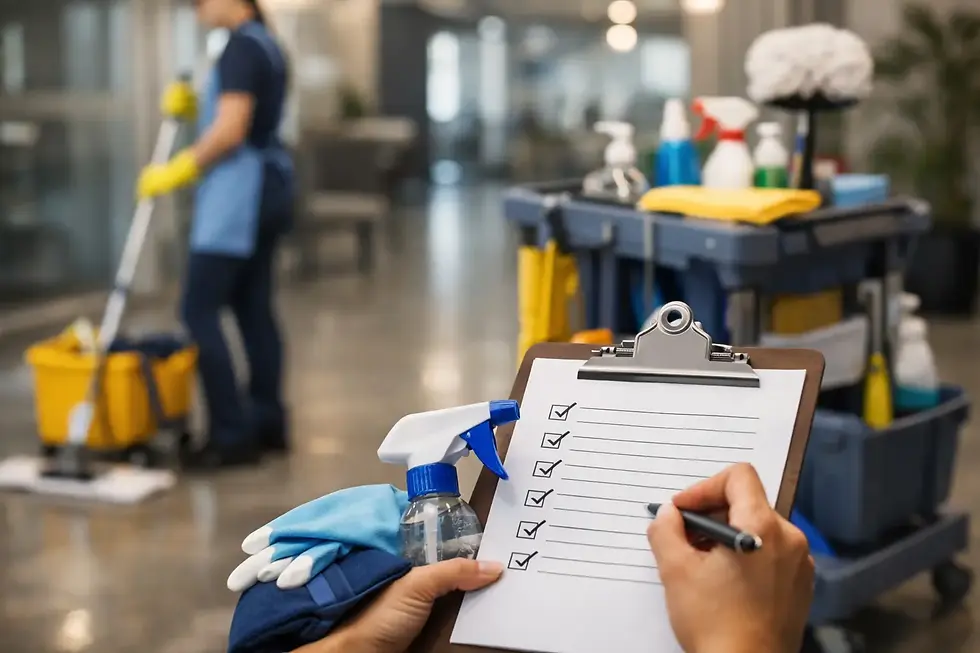
Checklists are useful when they are specific. “Clean office” leaves too much room for interpretation. “Wipe reception counter, sanitize door handles, empty waste bins, vacuum walkways, and inspect guest seating” is measurable. Supervisory inspections add another layer of accountability, particularly in larger properties or multi-tenant buildings.
Communication with building occupants is equally valuable. Employees should know how to report an empty soap dispenser, a spill, a full trash can, or a sanitation concern. Fast reporting prevents small issues from becoming visible service failures. It also gives facility managers a clearer picture of where traffic and cleaning needs are changing.
Know When a Routine Clean Is Not Enough
There are times when routine janitorial work should be supplemented with a more focused response. Illness-related concerns, a water event, post-construction dust, an unusually heavy event, or a long-neglected workspace may require deep cleaning or targeted disinfecting.
A professional commercial cleaning partner can help determine the appropriate scope without overpromising or using one generic process for every situation. The goal is not to apply stronger chemicals everywhere. It is to use the right methods, products, equipment, and service frequency for the actual condition of your facility.
For Albany-area businesses, Unique Shine provides dependable commercial cleaning, disinfecting, floor care, carpet cleaning, and deep cleaning services built around each facility’s schedule and needs. Trained, insured, and bonded cleaners can help maintain the details that busy teams do not have time to manage consistently.
A shared workspace sends a message long before anyone comments on it. When touchpoints are cared for, restrooms are stocked, breakrooms are fresh, and common areas stay presentable throughout the day, employees and visitors can focus on their work instead of wondering who missed the basics.

Comments