

How to Choose the Best Office Cleaning Services
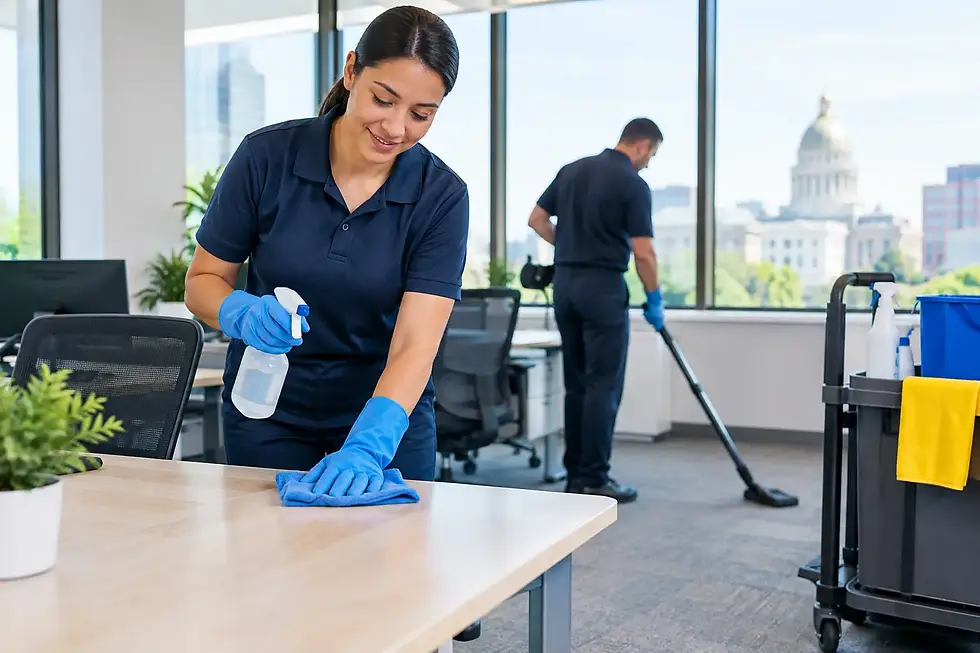
A cleaning crew can arrive on time and still leave an office feeling unfinished. Dust on ledges, streaks on glass doors, neglected restrooms, and overflowing waste bins are the details employees and visitors notice first. The best office cleaning services do more than make a space look acceptable for an hour. They create a dependable standard of cleanliness that supports your team, protects your property, and reflects well on your business.
For office managers, property managers, and business owners in Albany, the right provider should be easy to work with, equipped for the job, and accountable when needs change. Price matters, but the lowest estimate is rarely the whole story. A clear scope, trained cleaners, flexible scheduling, and quality follow-up often make the greater difference over the life of a commercial cleaning partnership.
Start With the Results Your Office Needs
Before comparing companies, define what a clean office means for your facility. A small professional office with limited foot traffic may need routine dusting, restroom cleaning, trash removal, vacuuming, and touchpoint disinfection a few times each week. A busy medical-adjacent office, shared workspace, or multi-tenant building may require daily service, more frequent restroom attention, and a stronger disinfecting plan.
Walk through your space at the end of a typical workday. Notice where dirt builds up, which rooms receive the most traffic, and what employees or visitors regularly mention. Entryways, break rooms, restrooms, conference rooms, elevators, and reception areas generally deserve priority because they influence both hygiene and first impressions.
It also helps to separate recurring work from periodic work. Daily or weekly janitorial service keeps the facility presentable. Carpet cleaning, interior window cleaning, deep cleaning, floor stripping and waxing, and post-construction cleanup solve different problems and may be scheduled as needed. A provider that can manage both routine maintenance and specialty cleaning can save you from coordinating several vendors later.
What the Best Office Cleaning Services Should Include
A dependable cleaning program begins with a written scope of work. This document should explain what is cleaned, how often it is cleaned, and any location-specific instructions. Vague promises such as full office cleaning leave too much room for assumptions. Clear expectations protect both the client and the cleaning company.
For most offices, a regular service plan covers waste removal, vacuuming or mopping, dusting accessible surfaces, restroom sanitation, break room cleaning, and cleaning of common touchpoints. The exact checklist should reflect your building. For example, a law office may prioritize polished reception areas and conference rooms, while a warehouse office may need extra entryway care during wet or snowy Albany weather.
Ask how the company handles supplies and consumables. Some clients prefer the cleaning provider to supply products, liners, soap, and paper goods. Others keep certain products in-house. Either arrangement can work, provided responsibilities are clear from the beginning.
Service frequency should match traffic
More cleaning is not always better if it does not address the right areas. An office that appears clean in the morning but has packed restrooms by midafternoon may benefit more from targeted daily restroom service than a broad but infrequent cleaning visit.
Scheduling should also work around your operations. After-hours cleaning is a practical option for many offices because it limits interruptions and allows cleaners to work efficiently. However, daytime porter service may be the better fit for larger properties, public-facing spaces, or buildings with constant traffic. The right company will discuss both options rather than force every facility into the same schedule.
Verify the Trust Signals Before You Sign
Cleaning crews work in offices when employees may not be present. That makes trust and accountability essential, not optional. Confirm that the company is insured and bonded, and ask whether cleaners are trained for commercial environments. A professional provider should be prepared to explain its hiring, training, safety, and supervision practices.
Insurance and bonding help protect your business if an accident or property issue occurs. Training matters because commercial cleaning requires more than knowing how to operate a vacuum. Cleaners need to understand chemical use, cross-contamination prevention, floor care, restroom procedures, and the importance of securing a client’s space.
Reliable communication is another important trust signal. Find out who you contact if you have a concern, how quickly requests are addressed, and what happens if a scheduled cleaner is unavailable. A provider with a clear management structure can respond faster than one that leaves clients guessing who is responsible.
Look for quality control, not just a checklist
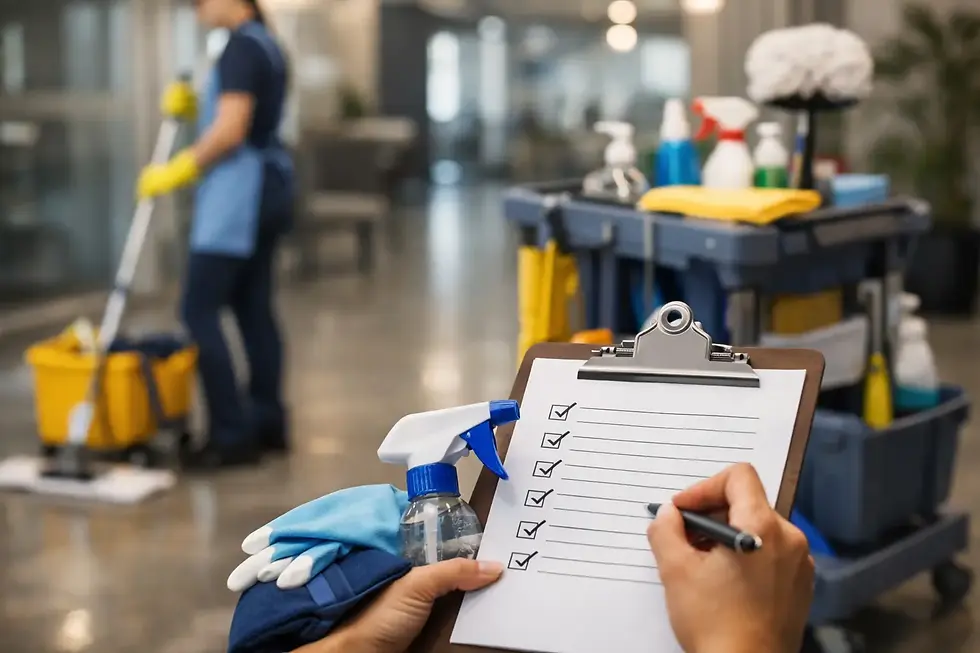
A checklist is useful, but it cannot replace inspection and follow-up. Quality control may include supervisor visits, routine client communication, cleaning logs, or site-specific reviews. The process does not need to be complicated. It does need to make it easy to catch missed details before they become recurring frustrations.
Ask a simple question during the estimate process: How do you know the work was completed to standard? The answer can reveal a great deal about the company’s approach. A service provider that welcomes feedback and has a process for corrections is more likely to maintain consistent results.
Compare Estimates the Right Way
A free estimate should help you understand the service, not just provide a number. When reviewing proposals, compare the cleaning scope, visit frequency, building size, service hours, supplies, specialty needs, and quality controls. Two estimates can look similar until you discover one excludes restrooms, consumables, high-touch disinfection, or periodic floor care.
Be cautious with unusually low pricing. It can be a legitimate introductory offer, but it can also mean the company has underestimated labor, plans to rush the work, or has left important tasks out of the proposal. A realistic estimate reflects the time and trained labor required to clean your facility correctly.
At the same time, the most expensive option is not automatically the best. You should be paying for reliable service, appropriate staffing, professional equipment, responsive communication, and a scope that fits the facility. Ask for a detailed explanation when pricing differs significantly between providers.
Plan for Specialized Cleaning Needs
Offices change. A routine janitorial plan may be enough most months, then a renovation, seasonal weather, illness concerns, or a major client event creates a need for additional service. Choosing a full-service commercial cleaning partner gives you more flexibility when those moments arise.
Carpets benefit from periodic professional cleaning, especially in high-traffic hallways and reception areas where soil quickly becomes visible. Hard floors need the right maintenance method to preserve their appearance and reduce wear. Windows, deep cleaning, disinfecting, and post-construction cleanup each require different equipment, products, and procedures.
This is where operational breadth matters. Instead of searching for a new vendor every time your needs expand, ask upfront whether the company has the staff and experience to handle specialty work. Unique Shine provides recurring janitorial services along with deep cleaning, floor and carpet care, window cleaning, disinfecting, and post-construction cleanup for commercial facilities that need dependable support beyond the daily checklist.
Make the First 30 Days Count
The first month of service sets the standard for the relationship. Schedule a walkthrough before work begins and identify priorities, restricted areas, alarm procedures, waste handling instructions, and any surfaces that require special care. Share concerns early, even small ones. A good provider would rather adjust the plan immediately than let a minor issue become a reason to switch companies.
Keep communication practical. If a conference room will host an important meeting, if construction crews are working in part of the building, or if your hours change for a holiday, let the cleaning team know. In return, your provider should notify you of access issues, supply concerns, or conditions that need attention.
The goal is not to manage your cleaning company every day. It is to establish a service plan that runs reliably in the background while giving you a responsive point of contact when something changes.
A clean office should never become another daily task on your list. Choose a provider that listens during the estimate, documents the details, and stands behind the work, so your workplace stays ready for employees, clients, and whatever the next business day brings.

Comments