

Deep Cleaning vs Regular Cleaning for Businesses
A lobby can look clean at 9 a.m. and still hold months of dust behind furniture, grime along baseboards, and buildup in restrooms that guests notice before your team does. That is the real difference in deep cleaning vs regular cleaning: one maintains a professional appearance day after day, while the other resets areas that routine service cannot fully reach.
For Albany-area offices, medical spaces, retail locations, schools, and multi-tenant properties, both services matter. The right plan is not about choosing one over the other. It is about knowing when routine maintenance is enough and when your facility needs a more detailed, intensive clean.
What Is Regular Commercial Cleaning?
Regular cleaning is the recurring janitorial work that keeps a business ready for employees, customers, tenants, and visitors. It is generally scheduled daily, several times a week, or weekly based on foot traffic, operating hours, industry requirements, and the size of the space.
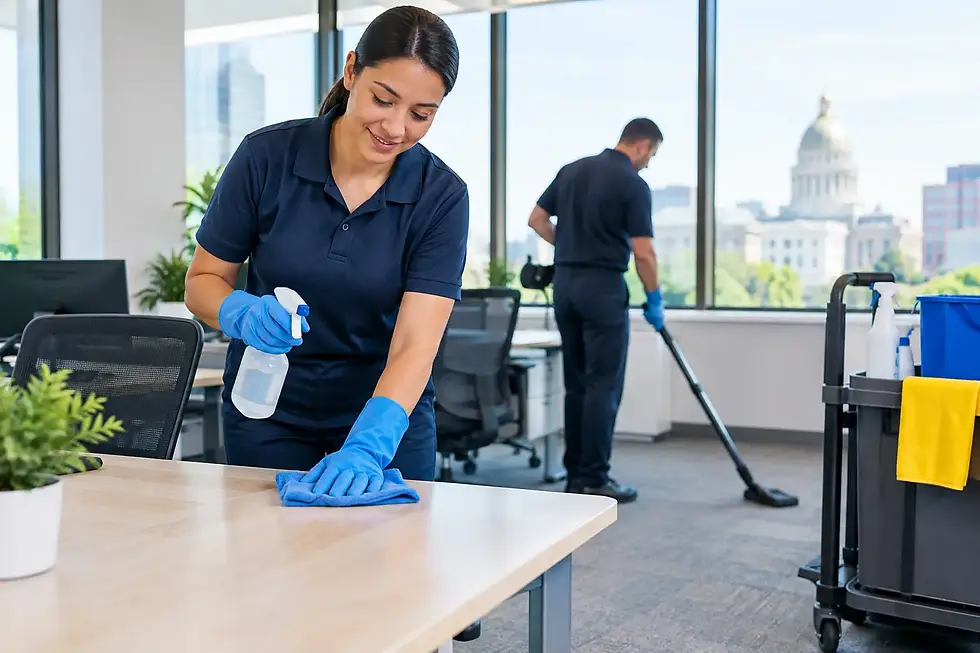
The purpose is consistency. A reliable cleaning team removes the visible messes and everyday soils that accumulate during normal operations. In an office, that may mean emptying trash, wiping desks and common surfaces, vacuuming carpets, cleaning restrooms, mopping hard floors, and restocking basic supplies. In a retail environment, it may also include keeping entryways, fitting rooms, counters, and glass looking presentable throughout the week.
Regular cleaning supports more than appearance. It helps control odors, reduces the spread of germs on frequently touched surfaces, and keeps small maintenance issues from becoming distractions. When cleaning is performed correctly and on schedule, employees can focus on work instead of wondering who will handle an overflowing trash can or a neglected restroom.
Still, regular cleaning has practical limits. A nightly cleaning crew cannot always move heavy furniture, detail vents, shampoo every carpeted area, remove stubborn floor finish buildup, or scrub the hidden corners of a large facility during a standard service visit. That is where deep cleaning becomes necessary.
What Is Deep Cleaning?
Deep cleaning is a more detailed, labor-intensive service designed to remove buildup, soil, dust, and residue from areas that receive limited attention during routine cleaning. It goes beyond making a space look tidy. The goal is to restore a cleaner, fresher baseline throughout the facility.
A deep clean may include detailed restroom scrubbing, cleaning baseboards and wall edges, dusting vents and high surfaces, wiping doors and frames, sanitizing touchpoints, spot-cleaning walls, moving accessible furniture, and addressing neglected corners. It can also involve specialized work such as carpet extraction, machine floor scrubbing, window cleaning, or strip-and-wax floor service when the condition of the surface calls for it.
The exact scope should match the building. A small professional office may need a detailed seasonal reset. A busy medical office, childcare facility, gym, or high-traffic retail location may need more frequent deep-cleaning attention because dirt, moisture, and touchpoint use build up faster.
Deep cleaning is not a substitute for regular janitorial service. Without ongoing maintenance, even the most thorough deep clean will lose its impact quickly. On the other hand, a regular cleaning plan without periodic detail work can leave a facility looking acceptable from a distance while neglected areas steadily worsen.
Deep Cleaning vs Regular Cleaning: The Key Differences
The easiest way to compare the services is by purpose, frequency, and level of detail. Regular cleaning manages what happens every day. Deep cleaning addresses what has accumulated over weeks or months.
Regular service usually focuses on accessible, high-use areas. Deep cleaning expands into less visible spaces and targets stubborn soil that needs extra time, equipment, or specialized products. A routine restroom cleaning may cover toilets, sinks, mirrors, floors, and trash. A deep restroom clean may also address grout lines, partitions, fixtures, wall splashes, floor edges, vents, and persistent odor sources.
Time is another difference. Regular cleaning is designed to fit into a recurring schedule with minimal interruption to your operation. Deep cleaning often takes longer because cleaners are working methodically through details, moving items when appropriate, treating surfaces, and allowing products or equipment to do their job. Many businesses schedule this work after hours, on weekends, or during low-traffic periods.
Cost also varies. Deep cleaning generally costs more than a standard visit because it requires additional labor, supplies, and sometimes specialized equipment. But postponing it for too long can create larger expenses later, particularly with carpets, tile and grout, floor finish, or odor issues. A planned deep clean is often more manageable than an emergency response after a tenant complaint, failed inspection, or visible deterioration.
When Does Your Facility Need a Deep Clean?
There is no universal schedule. The best timing depends on how people use your space, the type of flooring and finishes you have, and the expectations attached to your industry. However, several signs suggest routine cleaning alone is no longer enough:
Restrooms have lingering odors, dull fixtures, discolored grout, or buildup around floor edges.
Carpets look flat, stained, or dirty even after vacuuming.
Hard floors have scuff marks, sticky spots, dullness, or worn-looking finish.
Dust is visible on vents, blinds, baseboards, ledges, and high surfaces.
Customers, employees, or tenants have started commenting on cleanliness.
Your business is preparing for a move, event, inspection, reopening, or leadership visit.
Seasonal changes can also affect scheduling in the Capital Region. Winter brings salt, slush, and moisture into entryways and hallways. Spring can reveal dirt that has built up through months of wet weather. A post-winter floor and carpet deep clean can protect surfaces while improving the appearance of the entire facility.
How Often Should Businesses Schedule Each Service?
For many commercial properties, regular cleaning should occur at least weekly and often several times per week or nightly. Busy offices, healthcare settings, restaurants, retail stores, and buildings with public restrooms typically need more frequent attention than a lightly used professional suite.
Deep cleaning may be appropriate quarterly, twice a year, or annually. High-traffic spaces may benefit from targeted deep cleaning more often. For example, a property manager may schedule quarterly detailed restroom cleaning and carpet care for common areas, while planning an annual full-facility deep clean before lease renewals or budget planning.
Rather than applying one schedule to every area, consider a layered approach. Entryways, restrooms, break rooms, elevators, and shared workspaces may need recurring detail work because they receive constant use. Private offices, storage spaces, and low-traffic conference rooms may need less frequent deep cleaning. This approach directs your budget toward the places that have the greatest effect on cleanliness, safety, and first impressions.
Choosing the Right Scope of Work
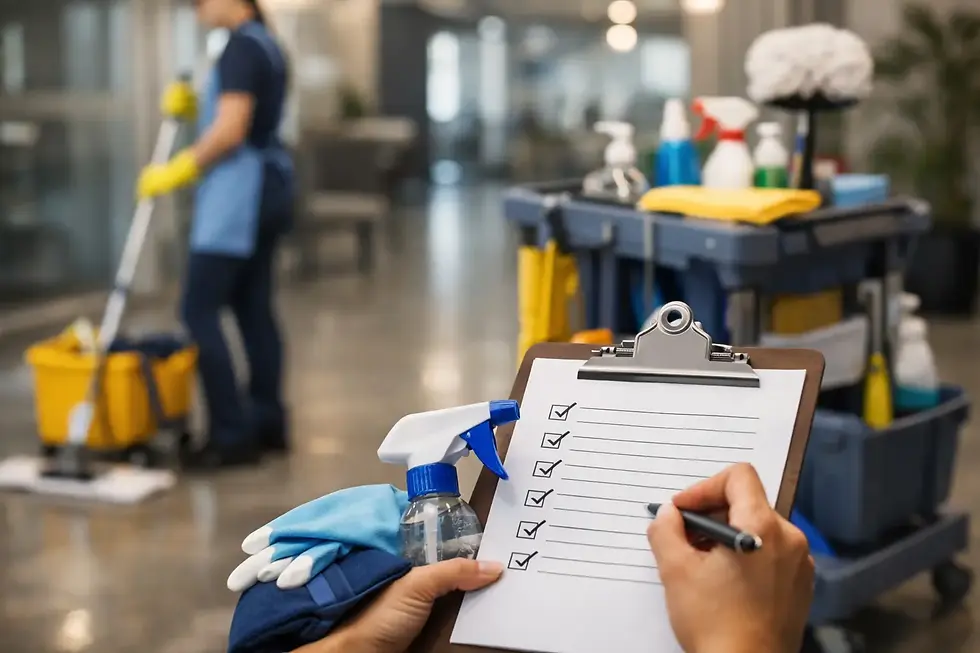
A productive cleaning partnership starts with a clear walkthrough. Before requesting an estimate, identify the areas that cause the most concern, the times when cleaners can access the building, and any requirements tied to your industry. Be specific about recurring issues such as carpet stains, restroom odors, dusty vents, floor appearance, or missed areas from a previous provider.
It also helps to separate work that belongs in a recurring janitorial agreement from work that should be quoted as a periodic specialty service. Daily trash removal and restroom upkeep belong in routine service. Carpet extraction, detailed wall cleaning, high dusting, floor restoration, post-construction cleanup, and intensive deep cleaning may require a separate project scope.
Do not assume the lowest quote covers the same work. Ask what tasks are included, how quality is checked, whether cleaners are trained for your facility type, and whether the provider is insured and bonded. A dependable commercial cleaning company should be able to explain the plan in plain language and adjust service as your building, staff, or tenant needs change.
Build a Cleaning Plan That Holds Up
A clean facility should not depend on a last-minute scramble before a visitor arrives. Regular cleaning creates the dependable standard your team sees every day. Deep cleaning protects that standard by taking care of the details that ordinary service visits cannot always reach.
Unique Shine helps commercial clients create cleaning schedules that fit their operations, from recurring janitorial care to detailed deep-cleaning projects. The strongest plan is the one your staff can rely on: consistent enough to prevent problems, flexible enough to address real facility needs, and detailed enough that visitors notice the difference for the right reasons.

Comments