

Best Restroom Odor Solutions for Commercial Spaces
A restroom can look clean at first glance and still leave employees, tenants, customers, and visitors with the wrong impression. The best restroom odor solutions do more than cover a smell with fragrance. They identify where the odor is coming from, remove the source, and keep the problem from returning during a busy workday.
For Albany-area offices, retail locations, medical facilities, schools, restaurants, and multi-tenant properties, restroom odor is often a maintenance signal. It may point to inconsistent cleaning, moisture around fixtures, worn grout, plumbing concerns, or a ventilation issue. A dependable solution starts with the right diagnosis, followed by a cleaning plan that matches the traffic and condition of the facility.
Why Restroom Odors Keep Coming Back
Most recurring restroom odors are not caused by one missed cleaning task. They develop when bacteria, organic residue, moisture, and poor air movement work together. Air fresheners may make the room smell better for a short time, but they do not remove the buildup creating the odor.
Urine residue is a frequent cause, especially around the bases of toilets and urinals, beneath rims, on grout lines, and along wall surfaces near fixtures. In high-traffic restrooms, splashing and overspray can reach areas that are not addressed by a quick daily wipe-down. Over time, residue absorbs into porous grout, caulk, concrete, and damaged flooring.
Drain odors are another common issue. Floor drains, sink drains, and rarely used fixtures can develop unpleasant smells when traps dry out or when biofilm builds inside drain lines. A restroom that smells musty, sour, or sewer-like may need more than surface cleaning. The problem may require a closer look at drain maintenance or plumbing performance.
Poor ventilation can make every odor more noticeable. If exhaust fans are not working properly, if vents are blocked, or if the airflow is inadequate for the room's occupancy, moisture and odors linger longer than they should. Cleaning and ventilation need to work together.
Best Restroom Odor Solutions Start at the Source
The right approach depends on what is causing the smell. Facilities get better, longer-lasting results when they combine daily cleaning with targeted deep cleaning and preventive maintenance.
Clean Fixtures Beyond the Visible Surfaces
Toilets, urinals, sinks, partitions, and dispensers should be cleaned and disinfected on a consistent schedule. However, odor control requires attention to overlooked areas: under toilet rims, around urinal flush valves, at the base of fixtures, behind toilets, and along the floor-wall edge.
A trained commercial cleaning team uses products appropriate for the surface and soil type. An enzyme-based cleaner may help break down organic residue, while a disinfectant addresses germs on properly cleaned surfaces. These products serve different purposes. Applying disinfectant over heavy buildup without first removing the soil can leave odor-causing residue behind.
Treat Floors, Grout, and Caulk as Odor Hot Spots
Restroom floors take more abuse than many facility managers realize. Mopping alone may not remove residue trapped in grout lines, textured tile, cracked caulk, or worn floor finish. This is why a restroom can smell unpleasant even when the toilet bowls and sinks appear clean.
Periodic machine scrubbing or deep cleaning can lift buildup from hard floors and restore a cleaner surface. In severe cases, damaged caulk, loose tile, or heavily stained grout may need repair or replacement. Cleaning can control surface contamination, but no service can permanently correct materials that have become excessively worn or remain wet because of a leak.
Pay close attention to the area around urinals. Protective floor mats can help reduce splash damage in some settings, but they must be cleaned or replaced regularly. A neglected mat can become an odor source of its own.
Maintain Drains Before They Become a Complaint
Floor drains deserve routine attention, particularly in locker rooms, public restrooms, commercial kitchens, healthcare settings, and vacant suites. If a drain trap dries out, sewer gas can enter the room. Pouring water into infrequently used drains may restore the trap seal, though recurring sewer odors should be reviewed by a qualified plumbing professional.
Biofilm inside drains can also create persistent odor. A drain treatment designed to break down organic matter can be useful as part of a maintenance plan. Avoid relying on harsh chemicals as a default answer. They may not remove the underlying buildup, can create safety concerns, and may be unsuitable for some plumbing systems.
Improve Airflow and Control Moisture
A clean restroom will still feel unpleasant if damp air has nowhere to go. Check that exhaust fans operate during and after restroom use, and confirm that vents are open and free from dust buildup. For facilities with regular humidity problems, a property manager may need to evaluate the ventilation system, room temperature, or possible water intrusion.
Leaks under sinks, around toilets, or behind walls should be addressed promptly. Even a small leak can create persistent moisture, damage flooring, and encourage odor-causing microbial growth. Cleaning teams can often identify visible warning signs, but repairs should be handled by the appropriate maintenance or plumbing provider.
Match the Cleaning Frequency to Restroom Traffic
One of the most practical restroom odor solutions is adjusting the service schedule to actual use. A once-per-day cleaning plan may work for a small professional office with limited staff. It is unlikely to be enough for a public-facing retail location, medical office, warehouse, school, or large multi-tenant building.
High-traffic restrooms may need daytime porter service, multiple fixture checks, trash removal, floor touch-ups, and supply restocking throughout the day. These visits are not only about presentation. They allow cleaners to remove fresh residue before it settles into flooring and fixtures.
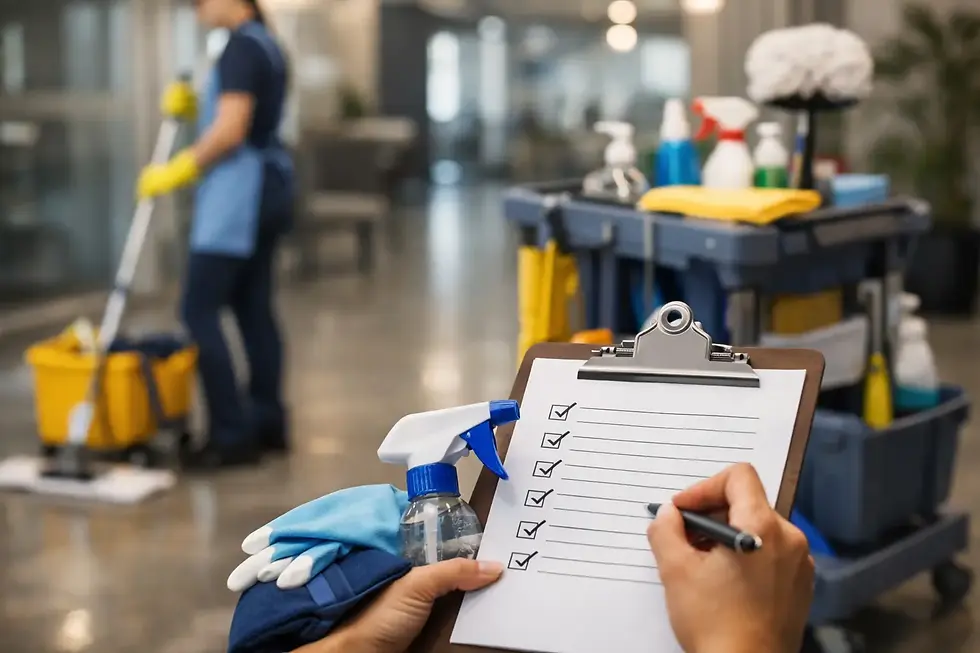
A well-managed restroom checklist should include cleaning and disinfecting touchpoints, emptying waste receptacles, checking drains and floor condition, replenishing soap and paper products, and inspecting for leaks or damaged dispensers. The checklist should be flexible enough to account for heavy-use periods, special events, and seasonal changes in occupancy.
Products That Help and Products That Only Hide the Problem
Air fresheners, automatic dispensers, and odor-neutralizing products can support a clean restroom experience. They should be the finishing touch, not the entire strategy. A strong fragrance layered over urine, mildew, or sewer odor can make the problem more noticeable to visitors.
Choose low-maintenance odor-control products carefully. Some users are sensitive to heavily fragranced products, particularly in healthcare offices, schools, and shared workplace environments. Neutral or lightly scented options are often a better fit when the underlying cleaning program is doing its job.
Consider the trade-off with antimicrobial coatings and specialty products as well. They may offer added support in certain environments, but they do not replace regular cleaning, proper dwell time for disinfectants, or repair of damaged surfaces. Facility managers get the best return when they invest first in consistent service and source control.
When to Bring in a Professional Cleaning Team
A recurring odor after routine cleaning is a good reason to schedule a deeper restroom assessment. Professional cleaners can identify neglected surfaces, remove buildup with the appropriate equipment, and recommend a maintenance frequency based on your facility's traffic and layout.
This is especially valuable after construction, during a tenant turnover, following plumbing repairs, or when a restroom has been inconsistently maintained. Deep cleaning can reset the condition of fixtures and floors, while ongoing janitorial service helps protect that result.
For businesses that need reliable service without disrupting operations, Unique Shine provides commercial cleaning plans built around facility needs, scheduling requirements, and visible results. A trained, insured, and responsive cleaning partner can help ensure restroom concerns are addressed before they become employee or customer complaints.
A restroom should not be memorable for the wrong reason. When cleaning reaches the hidden buildup, drains are maintained, airflow is working, and service frequency reflects real traffic, the space stays fresher and more welcoming for everyone who uses it.

Comments